Let’s Talk About 220V Carbon Fiber Heating Tubes
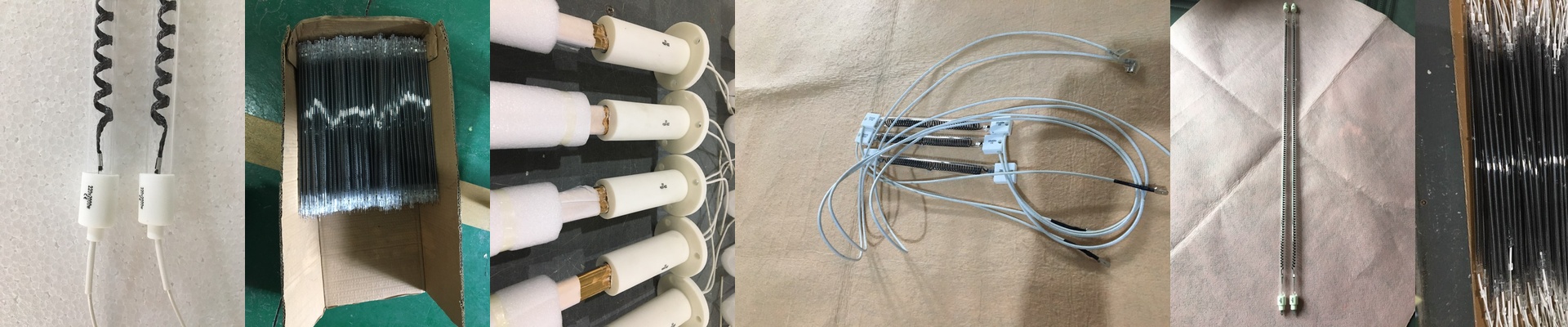
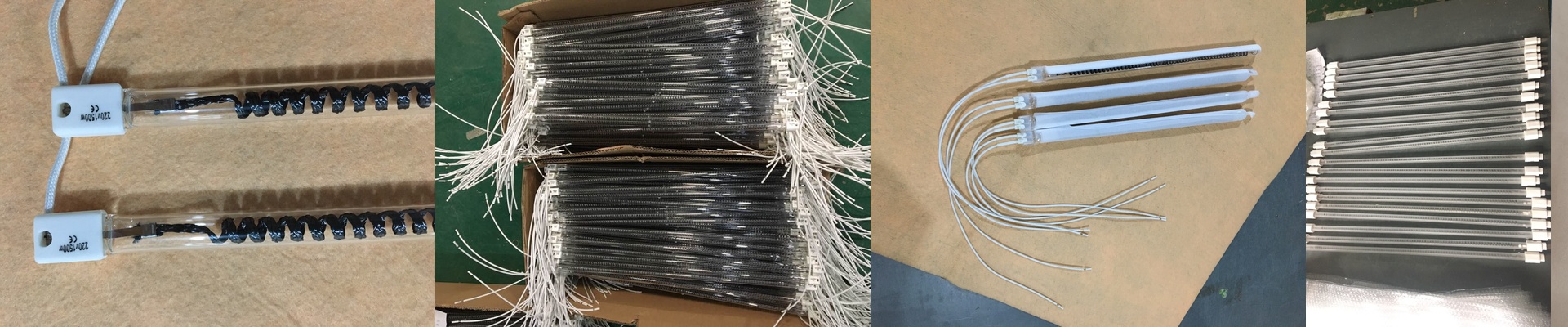
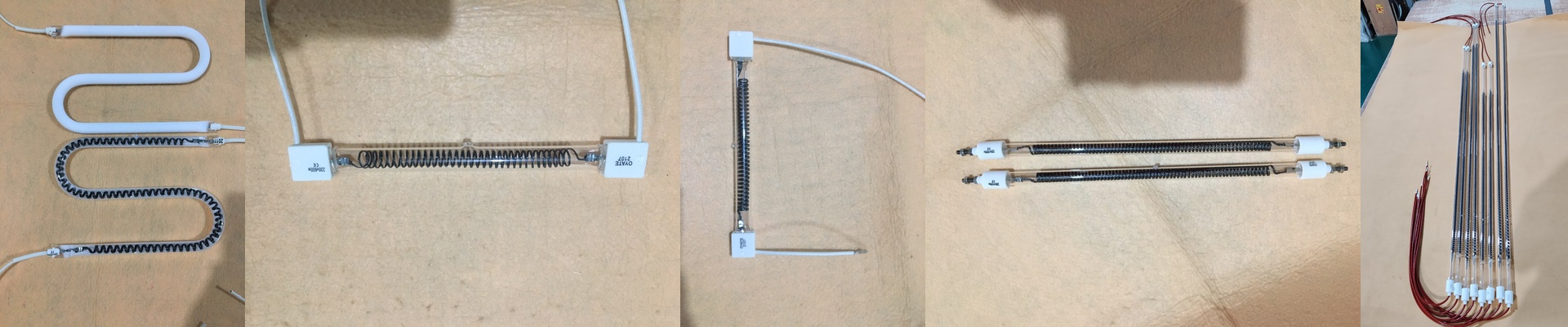
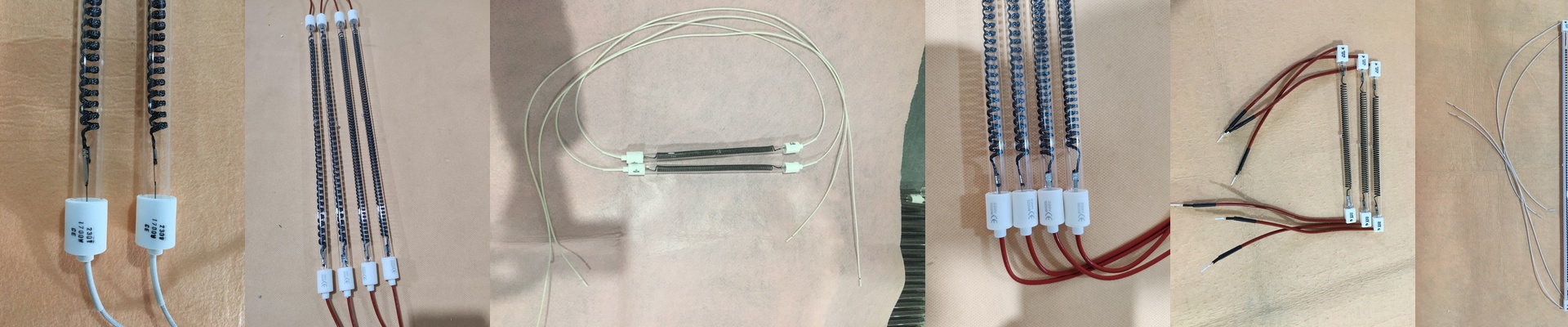
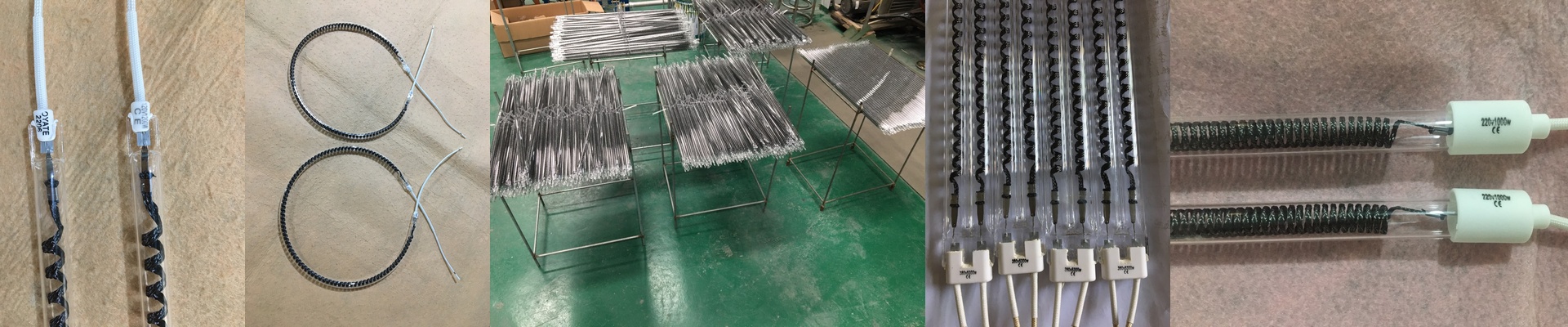
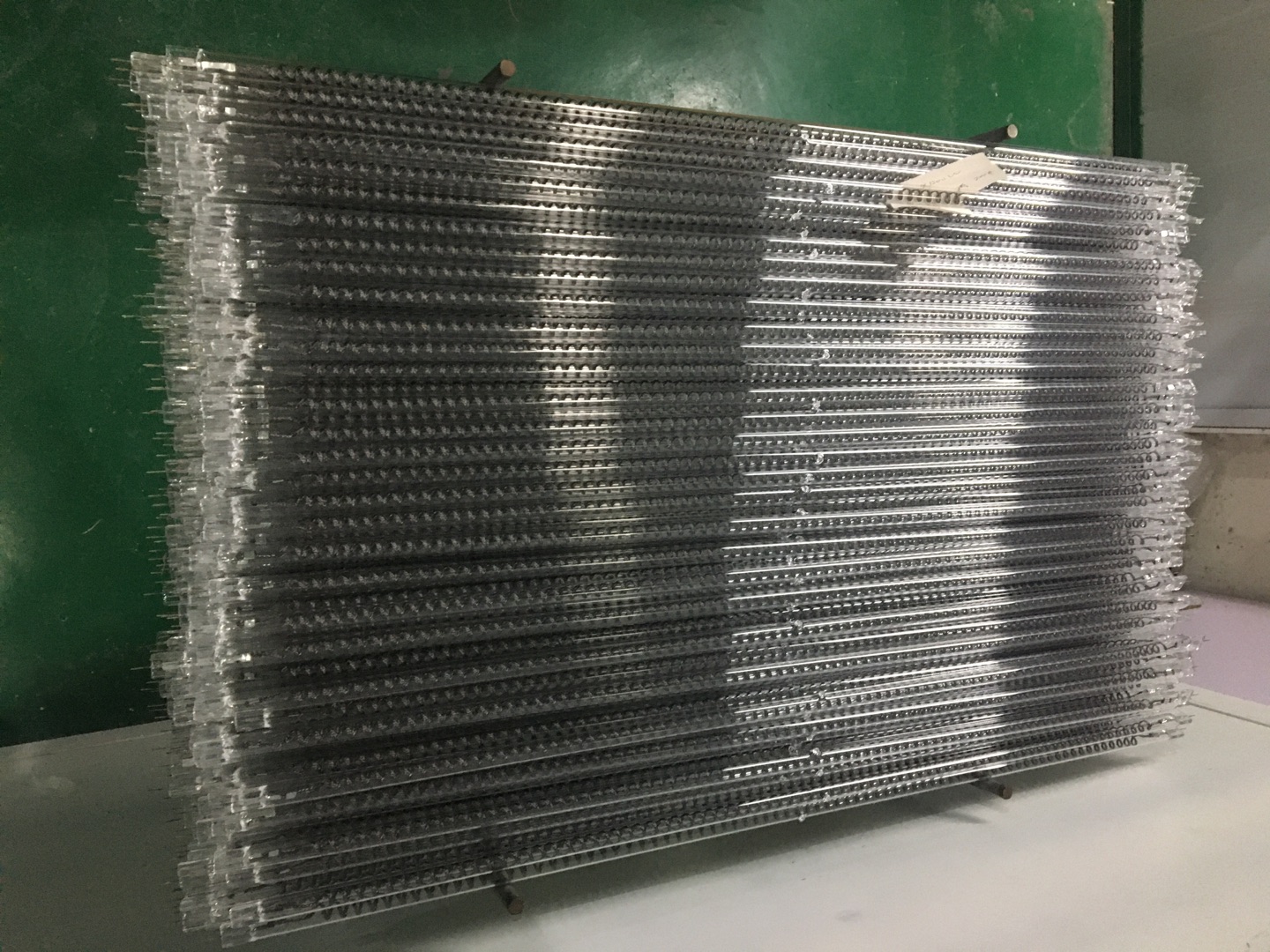
If you need heat—and you need it now—these carbon fiber tubes are your best bet. Most people are used to those old-school metal alloy elements. They work, sure, but they’re slow. We do things differently. We take a carbon fiber filament and tuck it inside a quartz envelope. The result? It hits your target temperature almost instantly. Plus, it puts out a specific kind of infrared heat that actually sinks into your materials instead of just heating the air around them. The Power Side of Things Since these run on 220V, you can plug them straight into most industrial grids. No need to mess around with bulky, expensive step-down transformers. The real magic is in the speed. You flip the switch, and boom—you’ve got heat. It’s a world away from ceramic heaters, where you’re usually standing around for minutes just waiting for things to warm up. What’s Under the Hood? We use high-purity quartz glass to keep the carbon filament safe from oxidation. We spent a lot of time on this because cheap glass warps when it gets hot, and that’s a nightmare. The ends are sealed tight with specialized electrodes to keep the internal gas or vacuum exactly where it should be. Depending on your rig, you can wire these up with standard terminals or we can do custom lead wires for you. Where They Fit (and Where to Be Careful) You’ll see these all over PET blowing lines, drying setups, and curing ovens. If you’re replacing old halogen lamps, these usually feel better because the surface stays a bit cooler while the actual workpiece gets more heat. But here’s the catch:quartz is fragile. It doesn’t like being shaken. If your machine vibrates a lot or takes a few bumps, please, for the love of everything, use proper mounting brackets. You don’t want a cracked tube in the middle of a shift. One last tip: these things pack a punch. Make sure your PID controllers are tuned just right. If the cycling is off, the thermal expansion can get aggressive and burn out your filament. Keep it steady, and they’ll last.