Getting carbon Fiber Heaters Right for Your Industrial Setup
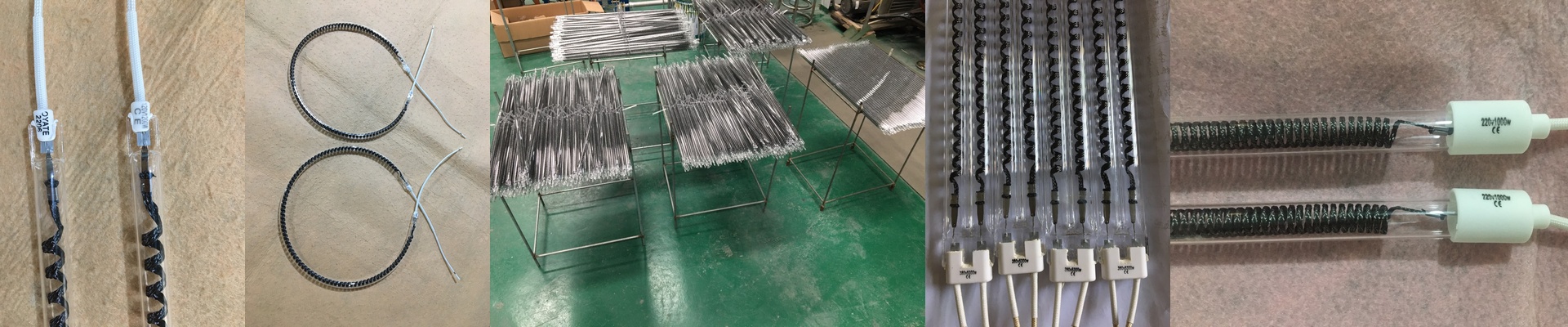
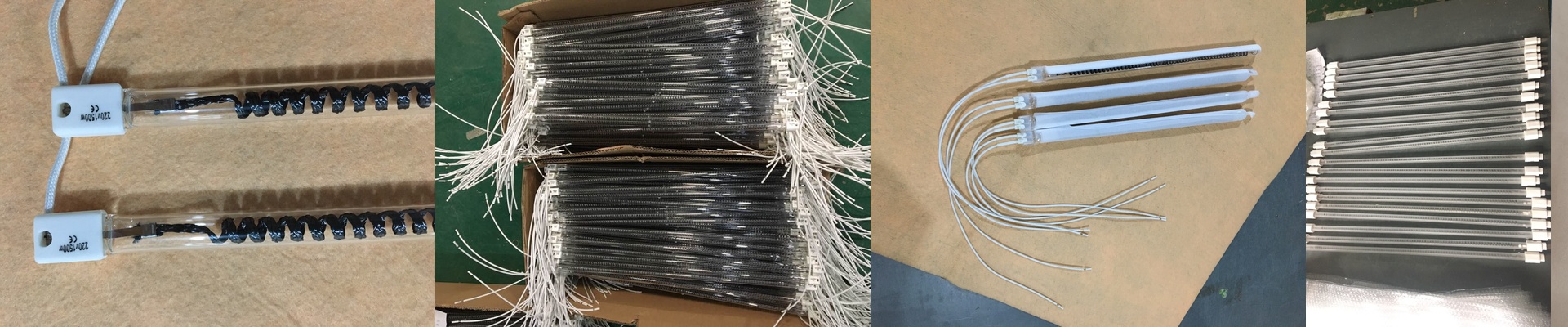
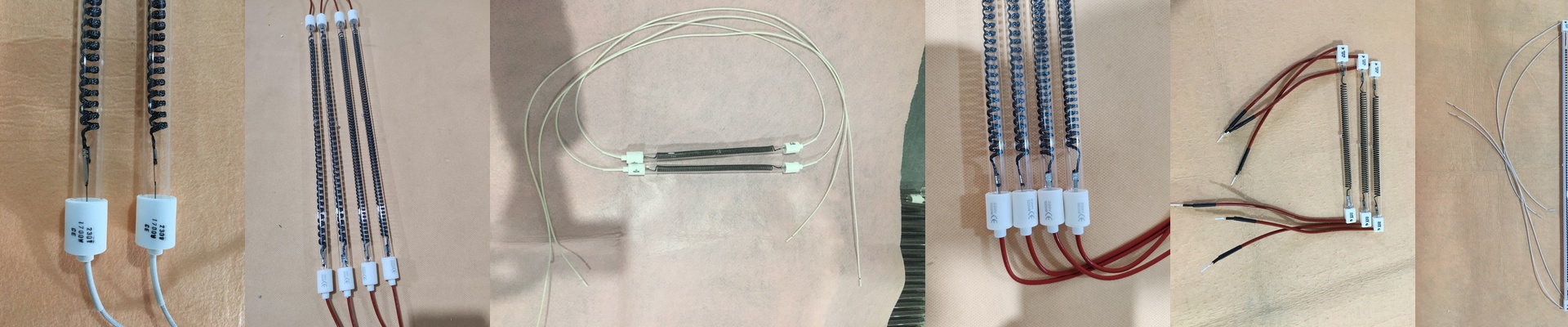
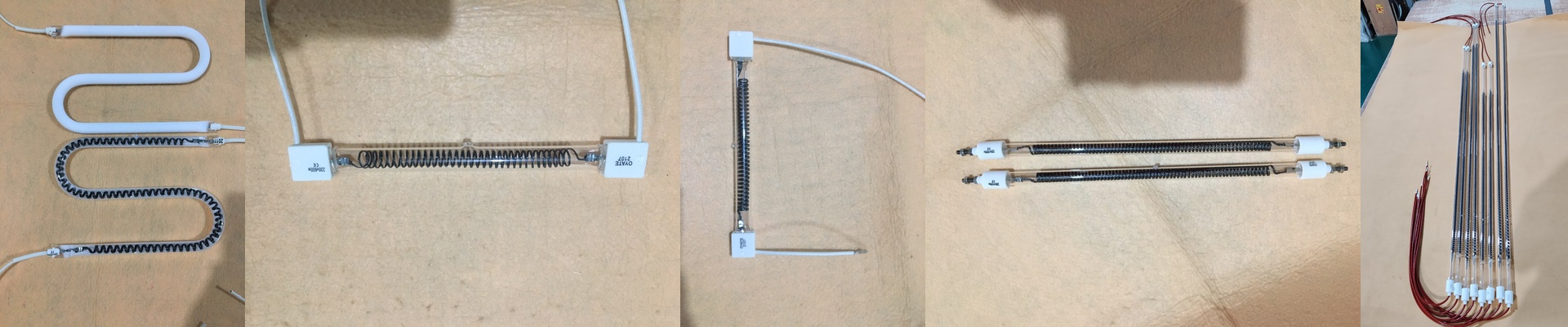
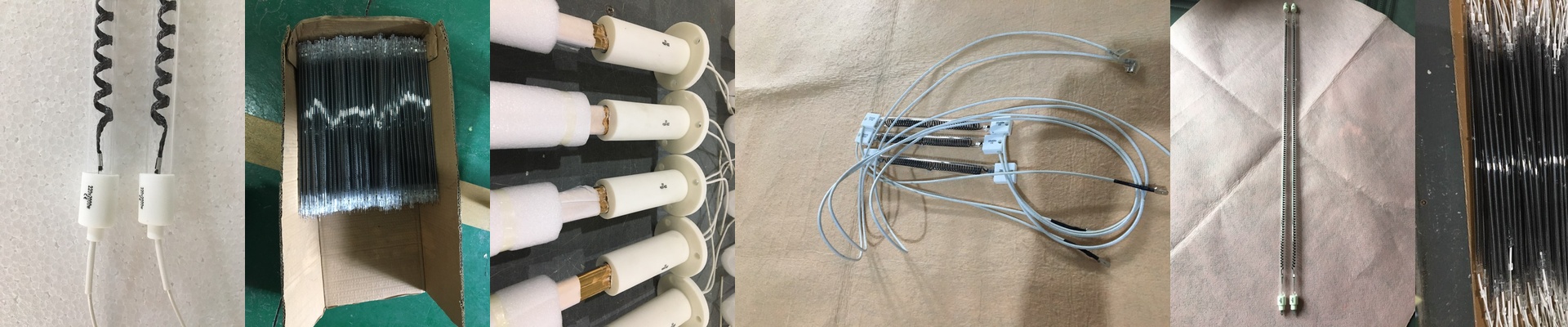
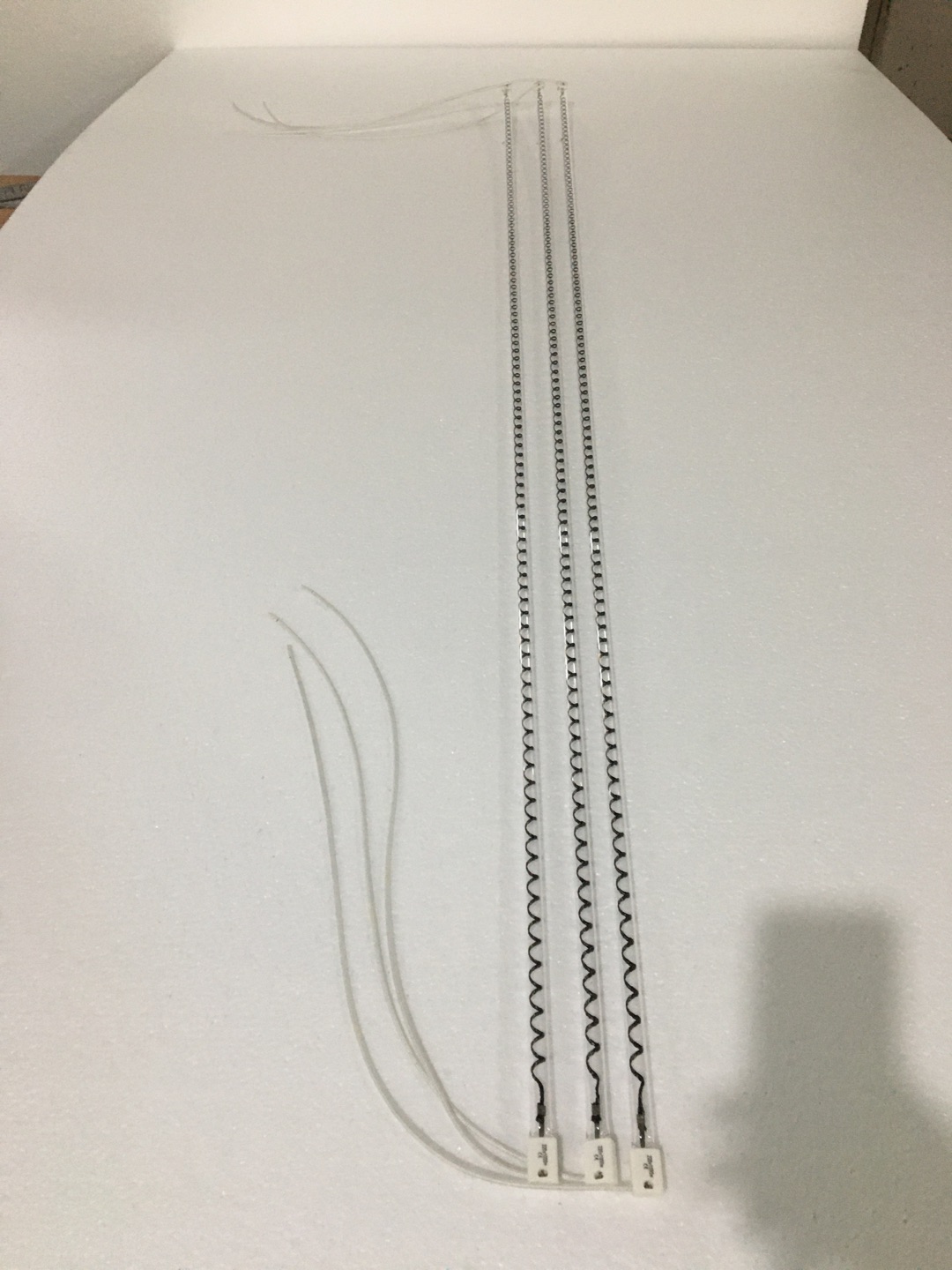
Here is the deal with carbon fiber heaters: you’ve got a carbon-filament core tucked inside a quartz tube. Instead of messing around with old-school metal coils, these use the low resistance of carbon to get screaming hot, and they do it fast. Talking Power and Voltage When we’re designing these, we focus on how much wattage you need per centimeter. If you go with a high-voltage setup—think 230V or 400V—you’re basically asking for a tighter, more concentrated heat footprint. High wattage is great because your ramp-up time disappears. If you’re running a high-speed production line, that’s a lifesaver. But a word of caution: make sure your wiring and power supply can actually handle that initial surge. And don’t try to cram too much wattage into a tiny tube. If the heat has nowhere to go, you’ll just burn out the ends. The Nitty-Gritty: Materials and Plugs The quartz tube isn’t just for show; it keeps the carbon filament from oxidizing and dying. We even offer some specialized coatings if you need to tweak the emission spectrum or if your shop is just naturally grimey and you need to protect the glass. For the connections, we stick to the basics like R7s or Sk15. They’re simple drop-in replacements for most industrial sockets. They stay tight, which means you don’t have to worry about arcing at the terminals. Where They Work (And Where to be Careful) You’ll see these in everything from PET blowing to drying ovens and plastic welding. Because of that carbon core, the heat spreads much more evenly across the tube than you’d get with a halogen lamp. But there’s a catch. Because the heat density is so high, that quartz tube getsdangerously hot. You can’t just slap it in and forget it. You’ve got to get your housing and cooling fans exactly right, or you’ll end up warping the rest of your machine. If your airflow gets blocked? The tube is going to fail. Period.