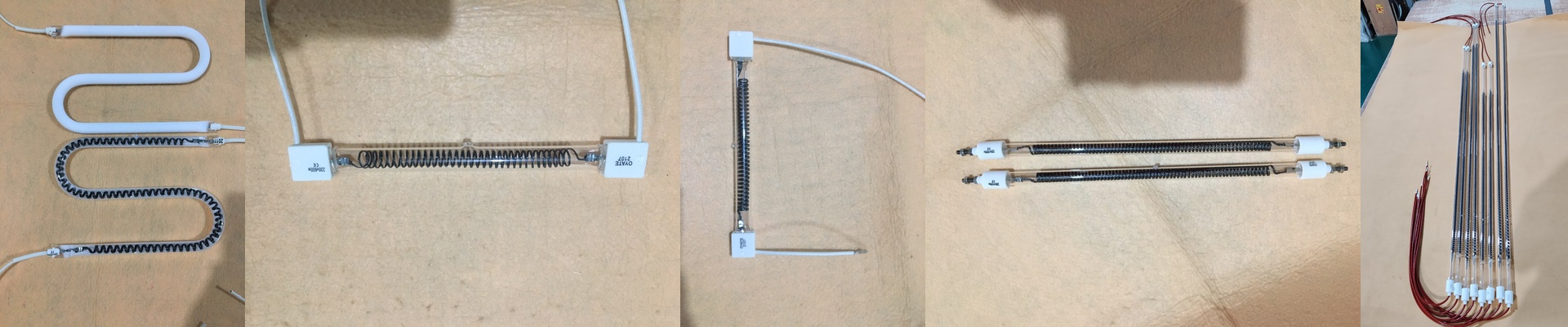
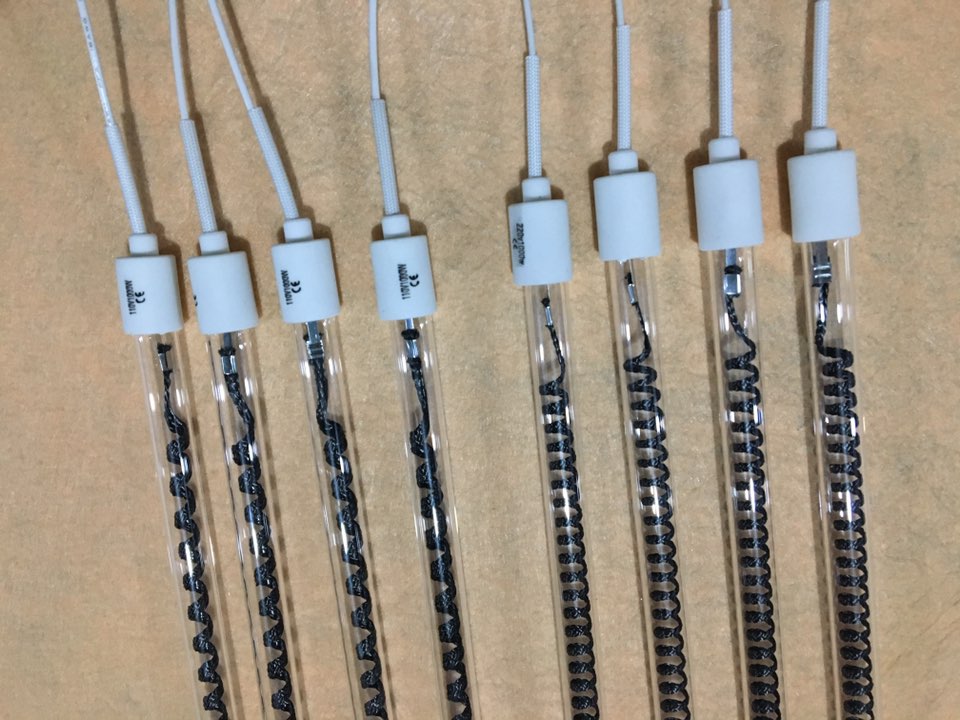
Let’s Talk About Carbon Fiber Heating Elements
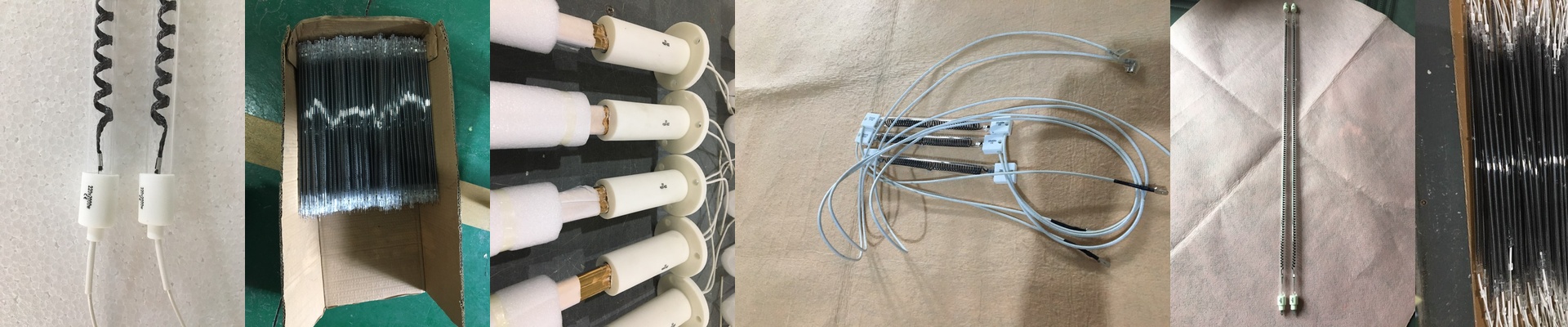
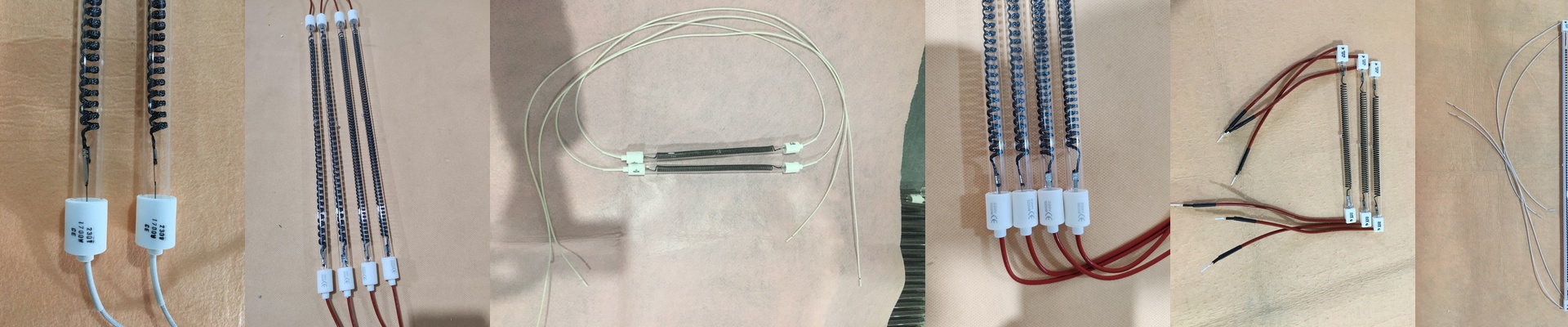
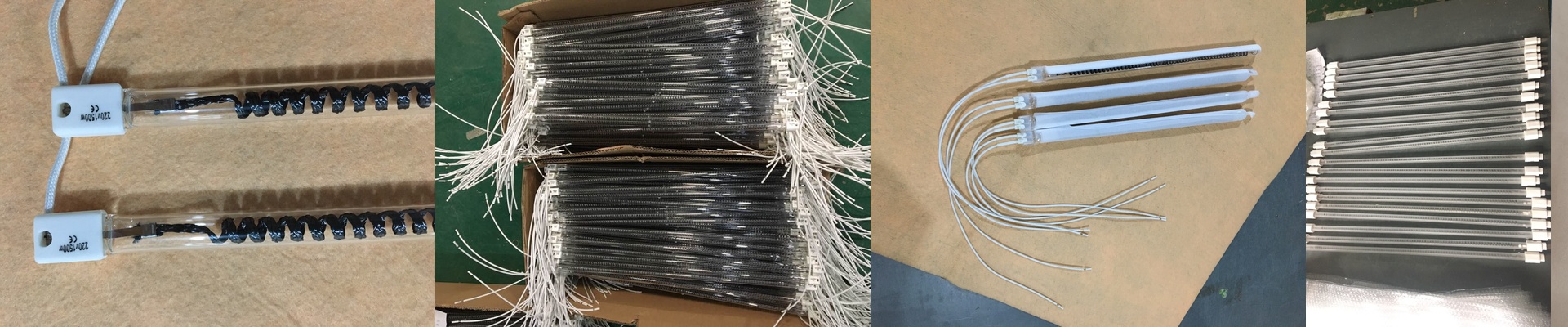
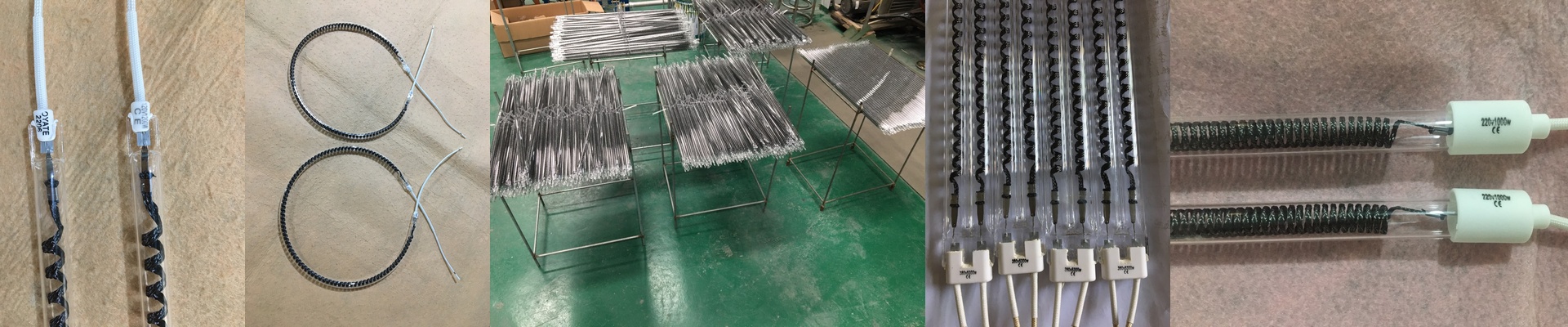
Most people are used to those old-school metal coils. But we do things a bit differently. We use carbon filaments that turn electricity into infrared radiation. It’s a different way of moving heat into your workpiece, and honestly, it’s a lot more efficient. The speed is the best part. Because carbon fiber doesn’t have that heavy “thermal inertia” that metals do, it doesn’t need time to wake up. You flip the switch, and it’s hot. Almost instantly. But here is the catch: you’ve got to keep your power supply steady. If your voltage spikes, those filaments will pop. It’s that simple. What’s actually inside? At the heart of it, you’ve got woven carbon fibers. Depending on where you’re putting them, we wrap those in quartz tubes or high-temp polymers to keep things safe. One big win here is that carbon fiber doesn’t care about rust or oxidation. It just doesn’t do that. One tip from the field: pay close attention to your termination points. I’ve seen plenty of these systems fail simply because someone did a sloppy job crimping the lead wire. It’s a small detail, but it’s where the heat builds up and kills the connection. The trade-offs you should know about If you’ve already got an infrared oven, these usually fit right in. Plus, you get a nice, even spread of heat rather than just a few “hot spots.” But—and this is a big but—carbon fiber is brittle. You can’t bend it like a piece of copper wire. If you’re rough with them during install, or if your machine shakes like crazy, the filaments will snap. Treat them with a bit of care. Also, if you’re pushing a ton of power, things get intense. Make sure your chassis has enough breathing room. If the ventilation is weak, you might find your housing starting to warp from the heat. And for the love of everything, use high-temp silicone leads. Nobody wants to deal with melted insulation on day one.