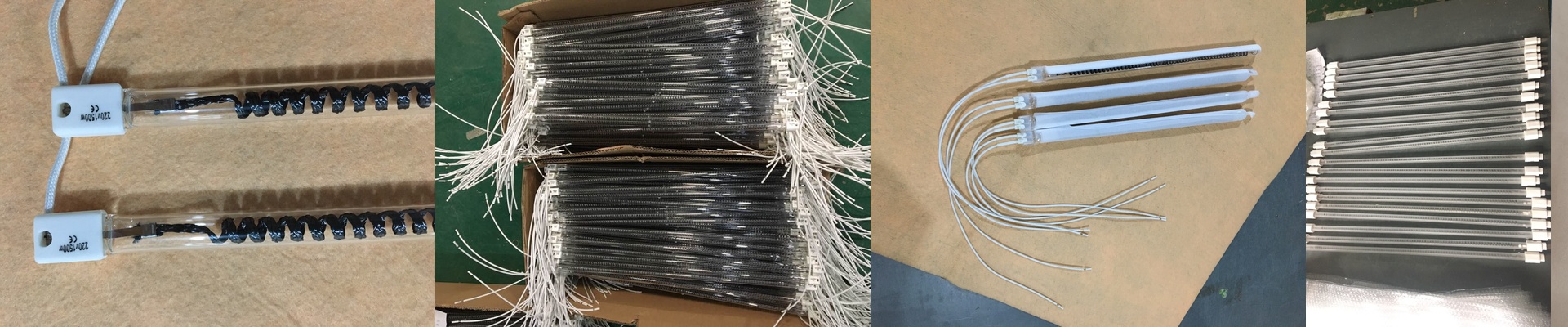
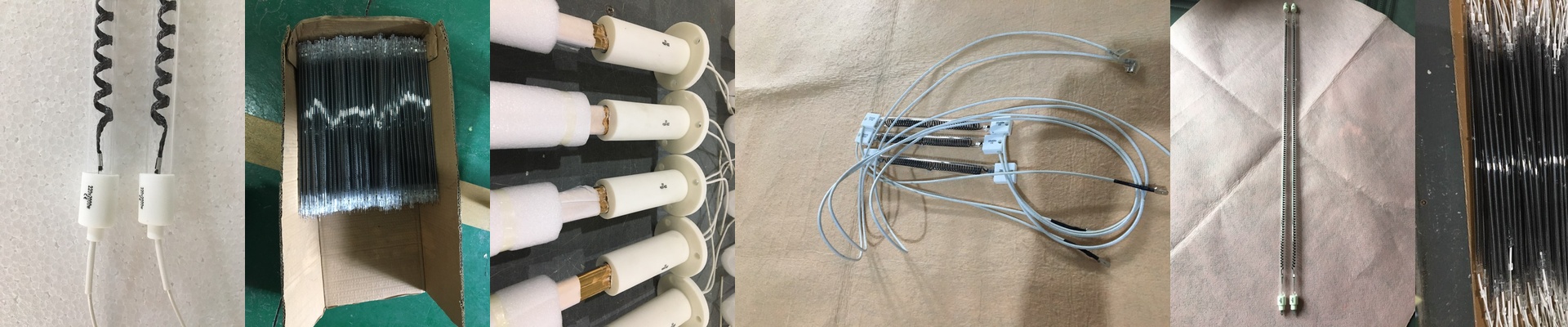
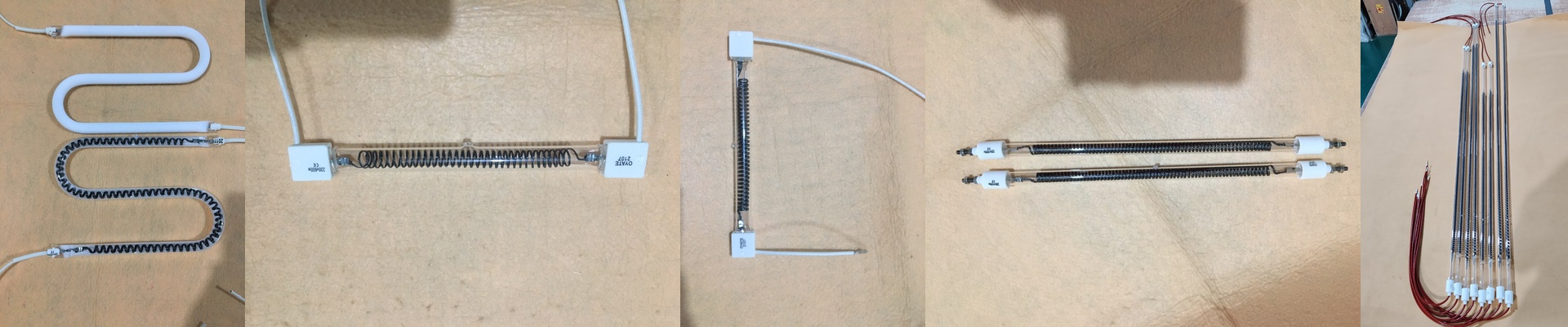
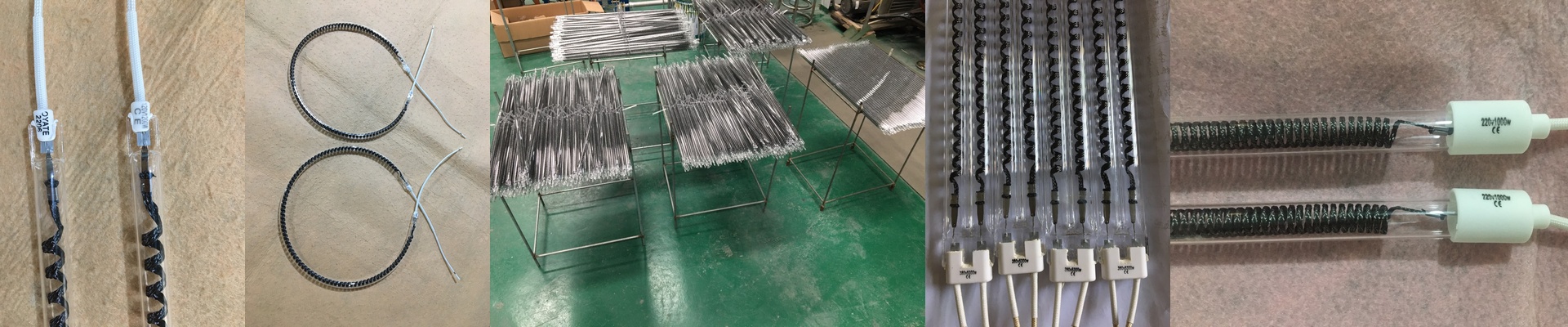
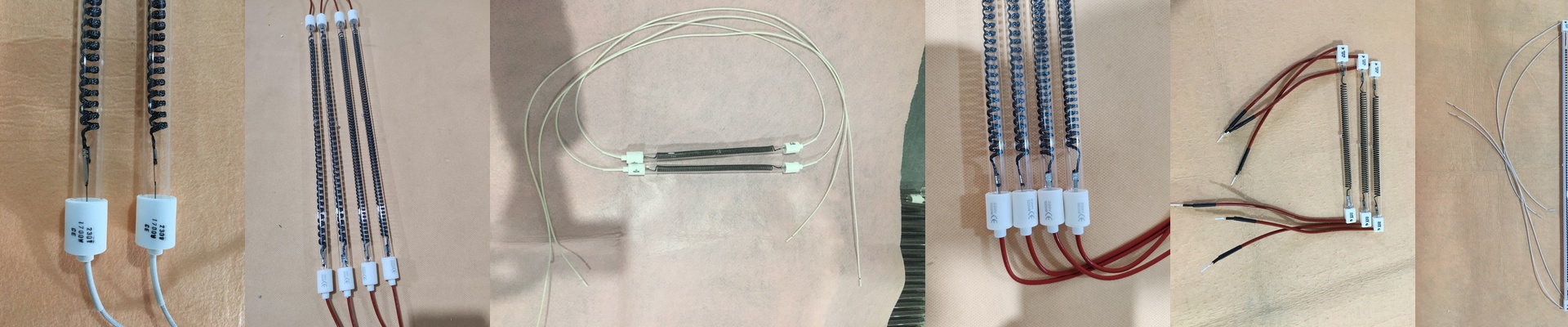
Let’s talk about Carbon Fiber Quartz Heat Lamps
If you’re dealing with high-density thermal loads, you know the struggle. Standard lamps just can’t always keep up. That’s why we moved away from those old metal alloy filaments and started using carbon fiber. It’s a simple switch, but it changes everything. These lamps hit higher temperatures and react way faster. We wrap the whole thing in a quartz envelope to keep the filament from oxidizing and to make sure the infrared heat actually gets where it needs to go.
The nitty-gritty on power
Here’s the thing about wattage and voltage: they have to play nice together. We usually set these up for industrial grids in the US, Thailand, and Vietnam. By using a higher voltage, we can cram more power into a shorter tube without melting the terminals. But be careful. When you push for maximum wattage to speed up your heating time, the heat density spikes.**Check your housing and reflectors.**If they aren’t rated for that kind of heat, you’re going to see your fixtures warp, and that’s a headache nobody wants.
Materials and a few warnings
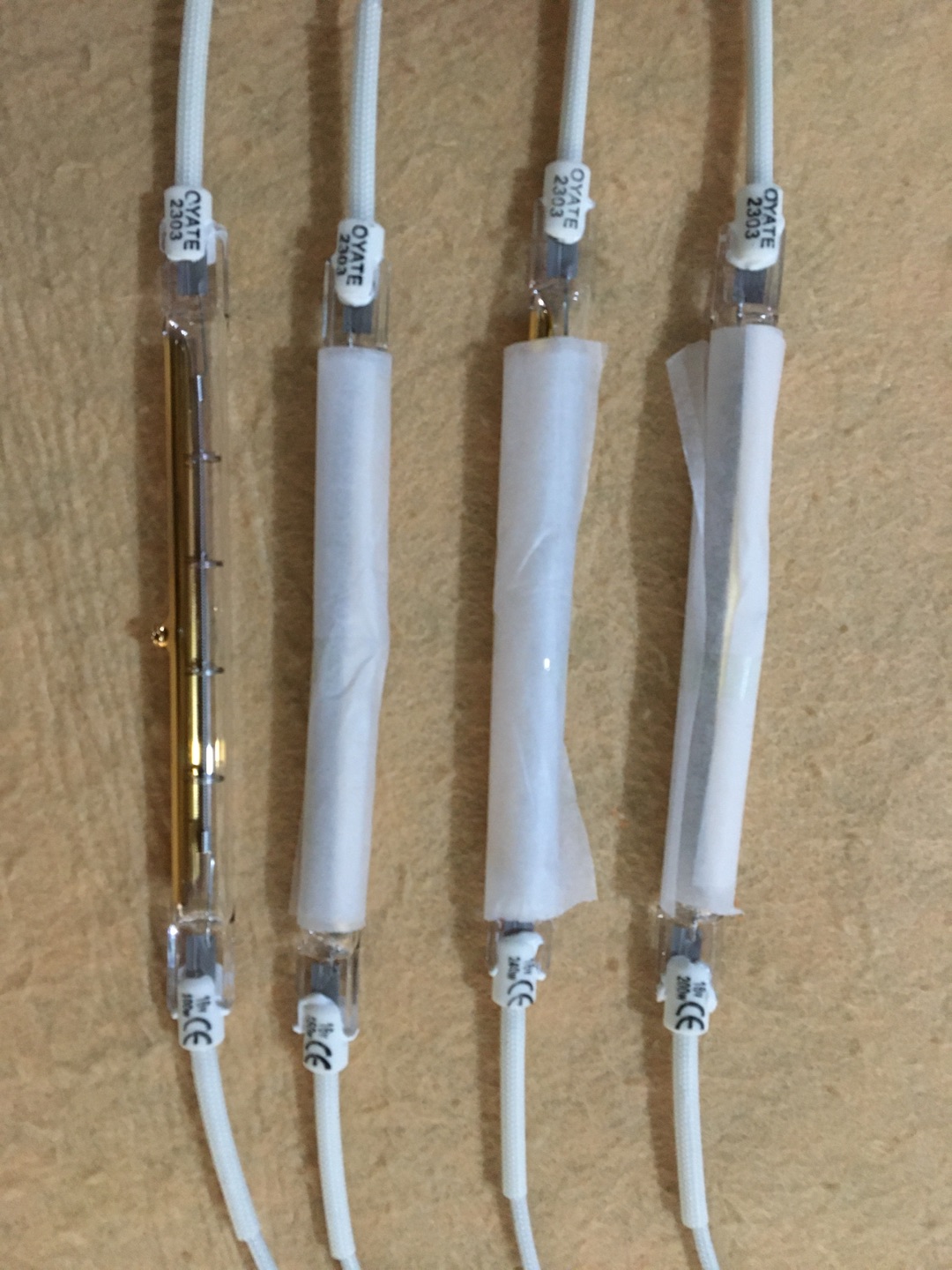
We use quartz because it doesn’t freak out when the temperature jumps suddenly. Plus, the carbon fiber gives you a nice, even spread of heat across the whole tube—nothing like those old halogen wires that can be a bit spotty. Installation is easy. We use standard R7s or SK15 connectors, so they usually just drop right into most industrial ovens. One big warning, though. While the carbon fiber is tough, the quartz glass is fragile. If you touch the glass with your bare hands, the oils from your skin create hot spots. Those spots will cause the lamp to burn out way sooner than it should. Use gloves. Always.
Where this actually helps
You’ll mostly see these in PET blowing, plastic welding, or curing lines. The short-wave radiation hits the material surface and sinks in fast. This means your cycle times drop, which means you get more done. Since they ramp up almost instantly, you can use PID controllers to keep your temperatures exactly where you want them. Just a heads-up: because these things put out so much heat, don’t skimp on your cooling fans. If you don’t, you’ll likely fry your control electronics.