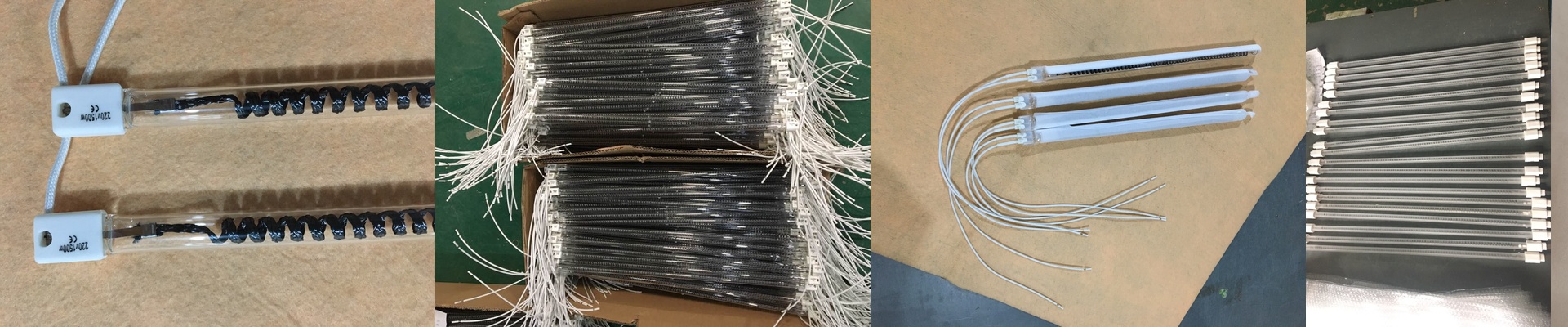
Let’s talk about Ruby Quartz Carbon Fiber Lamps
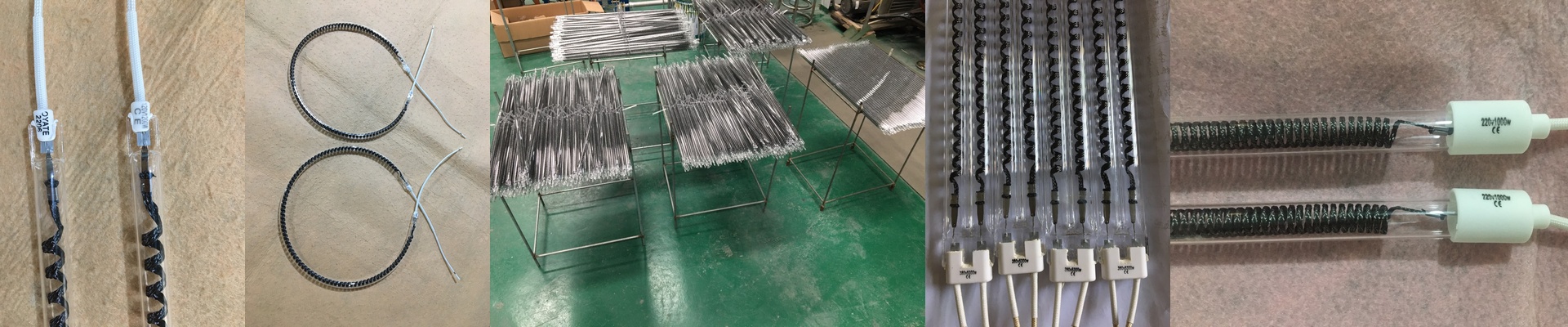
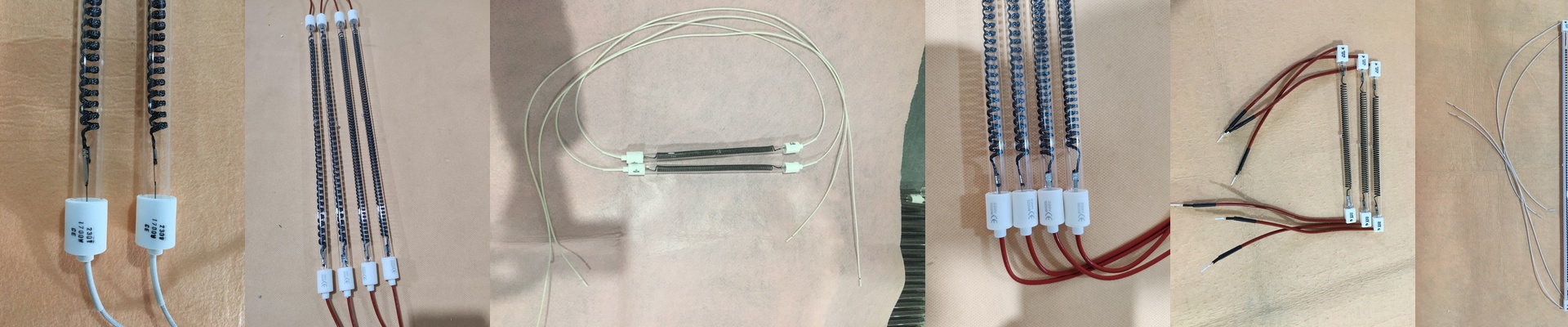
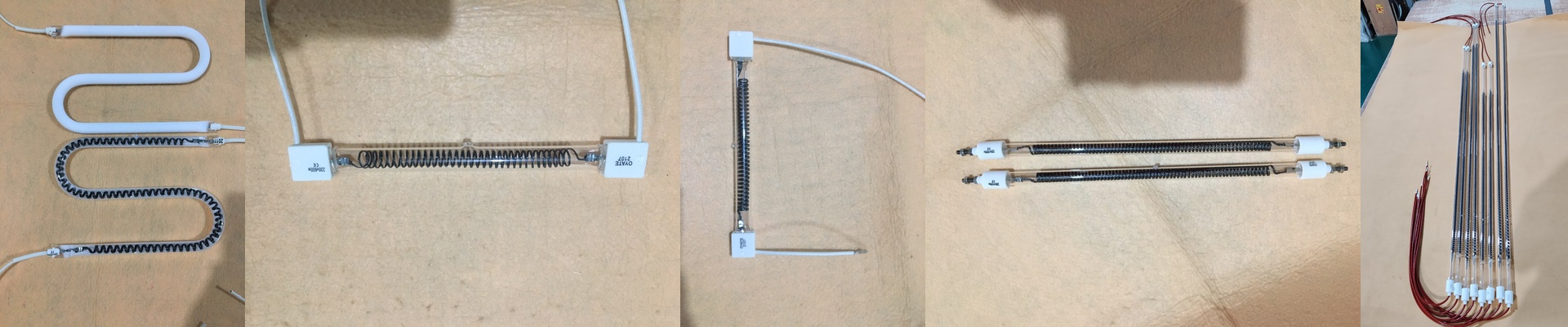
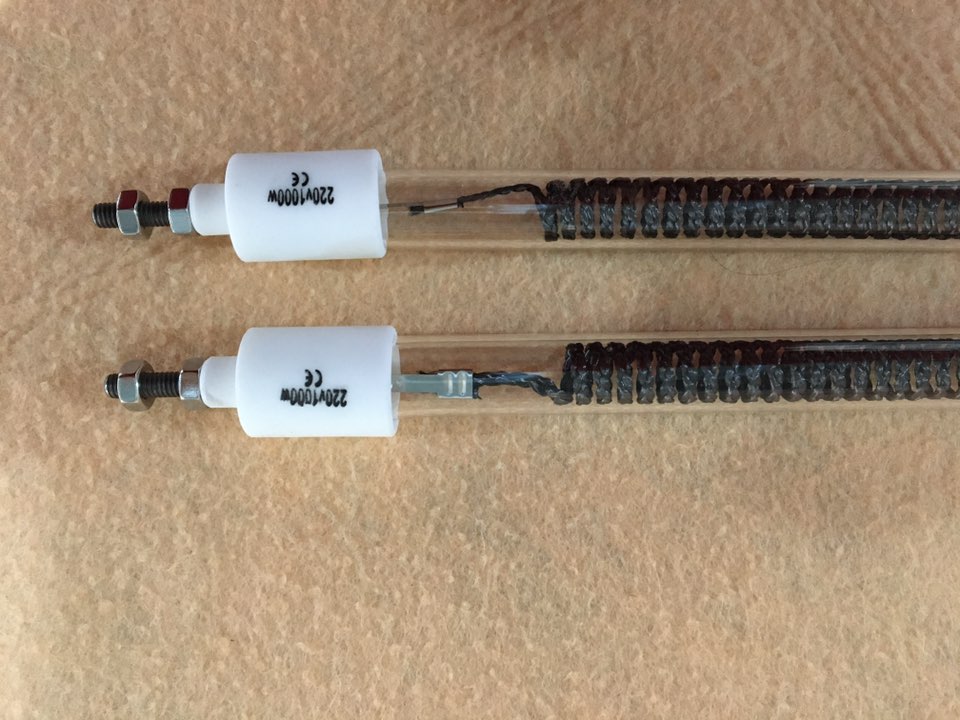
When you’re dealing with high-intensity heat, you can’t just use any old bulb. That’s why we build these lamps using ruby quartz glass and carbon fiber filaments. Here is the real advantage: they heat up fast. Like, really fast. Unlike those standard halogen tubes that take their time, the carbon fiber element jumps to operating temperature almost instantly. Then there’s the ruby coating. It acts as a filter, making sure the heat actually penetrates your material instead of just bouncing off the surface.
Getting the heat right
The magic happens in the balance of wattage, voltage, and length. We usually lean toward high-wattage outputs because, in most industrial setups, speed is everything. When you use a high-density lamp, you get a concentrated blast of shortwave emission. It’s a great feeling because the heat hits the workpiece directly. You aren’t wasting energy heating up all the air in the room; you’re putting the heat exactly where it needs to go. But you’ve got to be careful with your power supply. If you under-power the tube, you’ll never hit your target temperature. Over-drive it? You’ll fry the filament. It’s a delicate balance.
The build quality
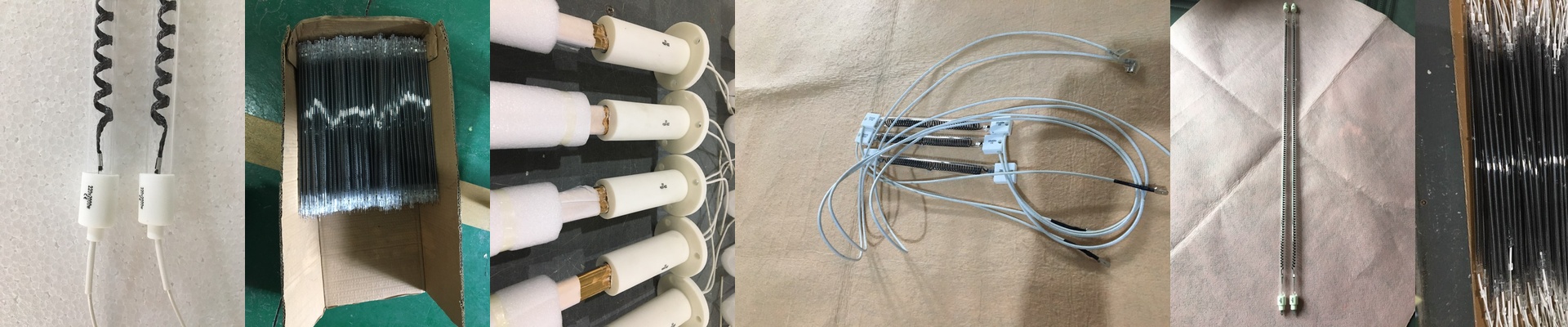
We use ruby quartz for the envelope because it’s tough. These things go through wild temperature swings—hot, cold, hot, cold—and they don’t crack under the pressure. Inside, the carbon fiber core does the heavy lifting. It spreads the heat evenly across the whole tube. You don’t get those annoying hot spots you see with thin wire coils. And a quick tip on the fit: whether you’re using slide-in connectors or fixed terminals, make sure they are tight. A loose connection is a nightmare. It creates resistance, which leads to overheating at the pins, and that’s usually how these lamps fail prematurely.
Putting them to work
These lamps are absolute workhorses. We see them all the time in PET blowing, paint curing, and drying lines. They’re a great way to replace those clunky, old heaters that just aren’t cutting it anymore. One thing to keep in mind, though. Because these lamps put out so much energy, they’re hard on your reflectors. If your reflectors are dirty or pitted, you’re basically throwing heat away. Keep your optics clean, and you’ll keep your output high. Simple as that.