Putting Your PCBs Through the Ringer with Custom IR Heating
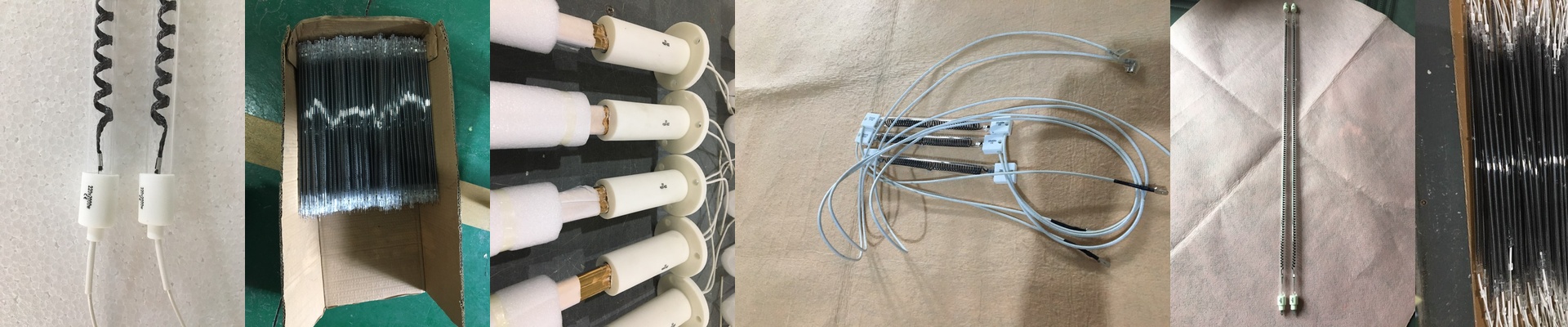
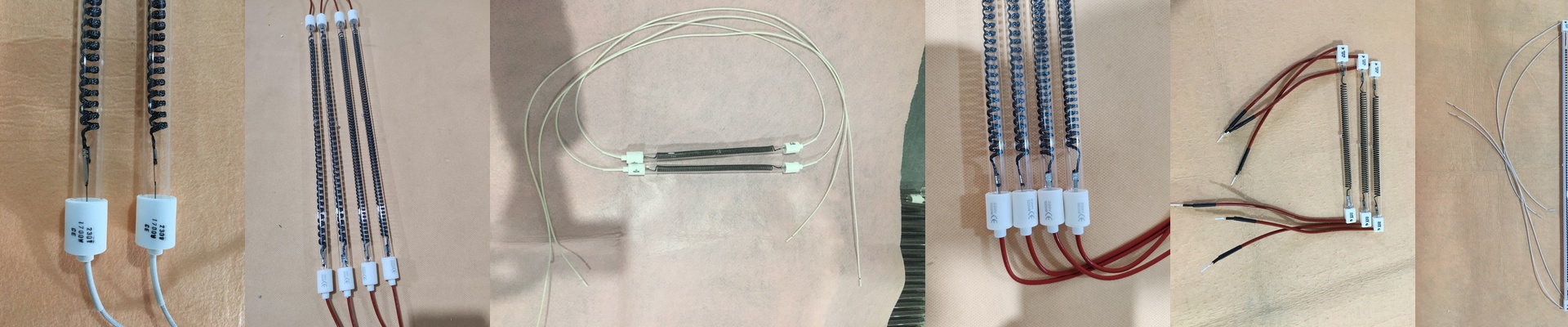
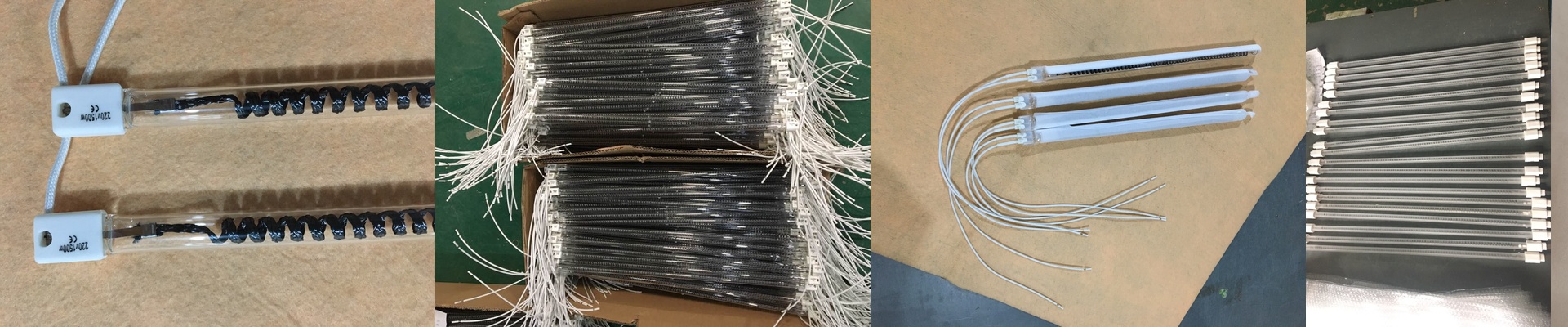
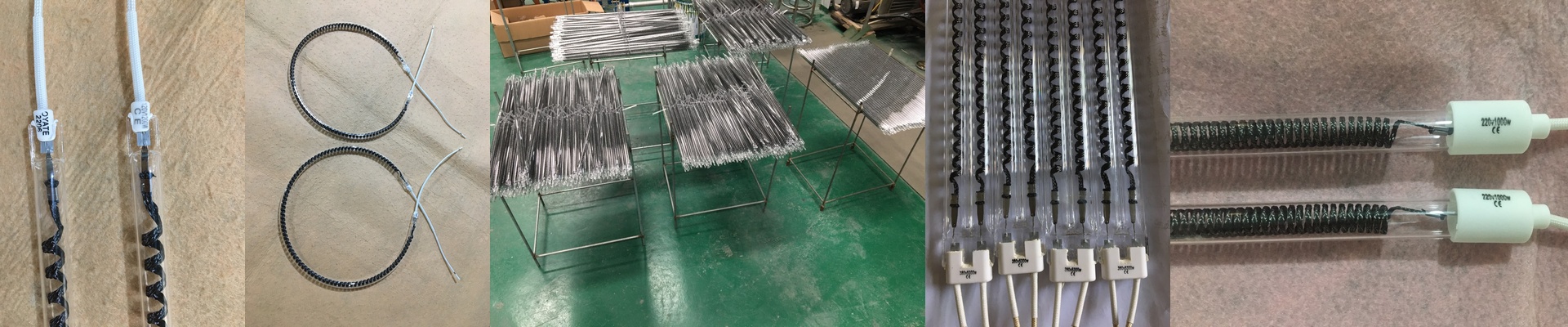
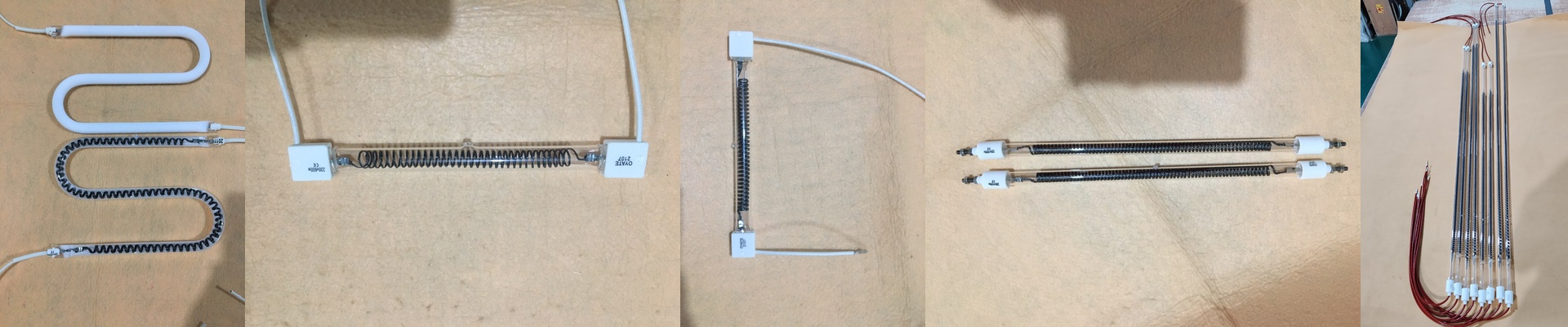
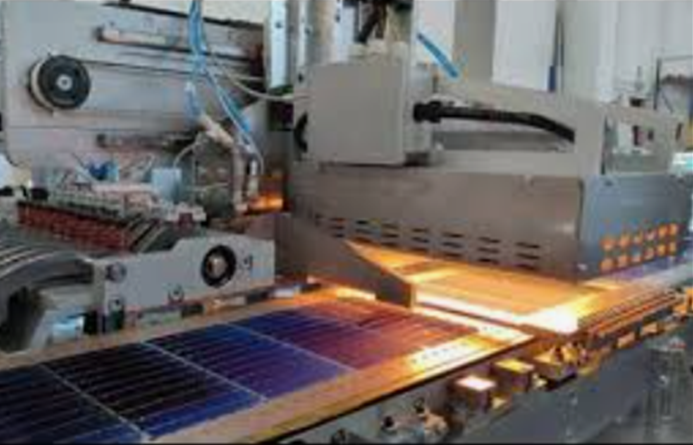
If you’ve ever looked under the hood of a car, you know it’s a nightmare for electronics. ECUs get hammered by brutal heat cycles that would melt most gadgets. To make sure our boards don’t give up the ghost the moment they hit the road, we build custom infrared (IR) heating stations. Essentially, we’re creating a “torture chamber” for PCBs to see exactly when they’ll break. Why bother with IR? Here’s the thing about standard convection ovens: they’re slow. Waiting for a big box of air to heat up is a waste of time. We use shortwave infrared emitters instead. They don’t bother heating the air; they just shoot energy straight into the PCB surface. It’s fast. Really fast. You can hit your target temperature in seconds. Now, you do have to be careful. When you’re pumping that much power into a small space, things get hot—and not just the board. If you don’t spec your cooling fans correctly, you’ll end up melting your own station chassis. Building the array We don’t just grab some bulbs off a shelf and call it a day. Every board is different, so we customize the lamp length and voltage to fit the footprint. If you have a large board, you need a longer tube. Otherwise, you get “cold spots,” and your test data becomes useless. We also use quartz envelopes with special coatings. This helps the heat punch through the solder mask to actually reach the internal components, rather than just warming the surface. And because we’re dealing with high current, we use industrial-grade connectors. Trust me, you don’t want your wiring to melt mid-test. The “Digital” part To keep things under control, we plug everything into PID controllers. This lets us script exactly what happens. We can mimic a cold engine start-up, a long highway cruise, or that terrifying moment when everything overheats. We bond K-type thermocouples directly to the board, so the system knows exactly what’s happening in real-time and adjusts the lamps instantly. The best part? You can burn out a faulty component in a few hours. Usually, that would take weeks in a traditional oven. It’s a much better way to find the breaking point of your hardware before it ever reaches the assembly line.