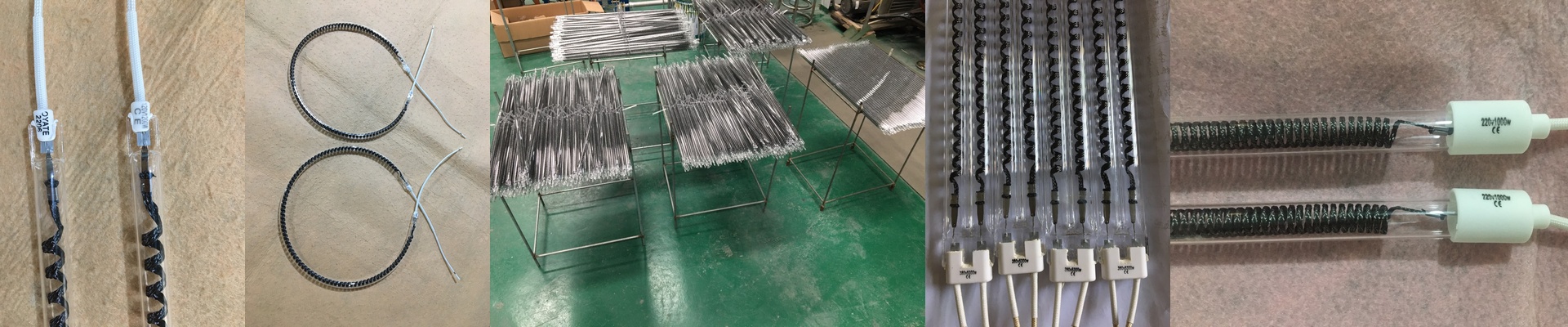
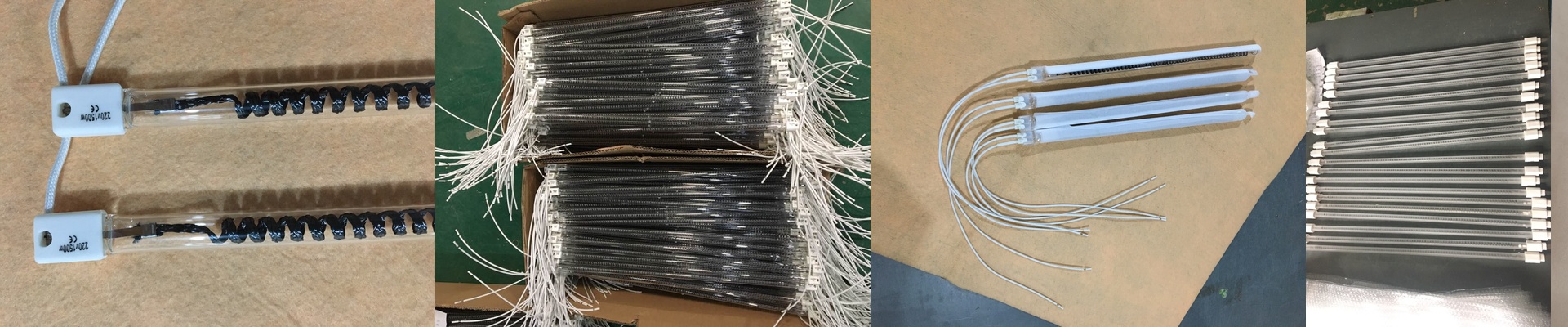
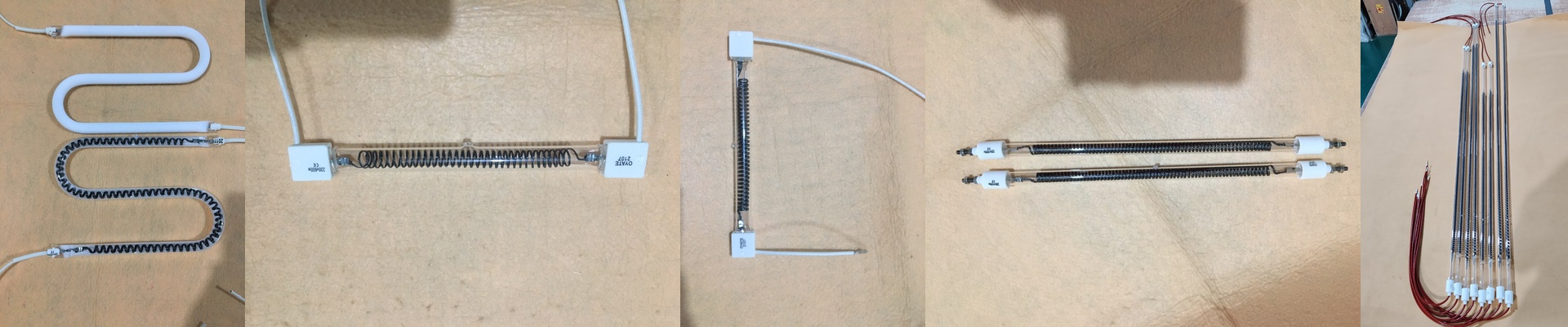
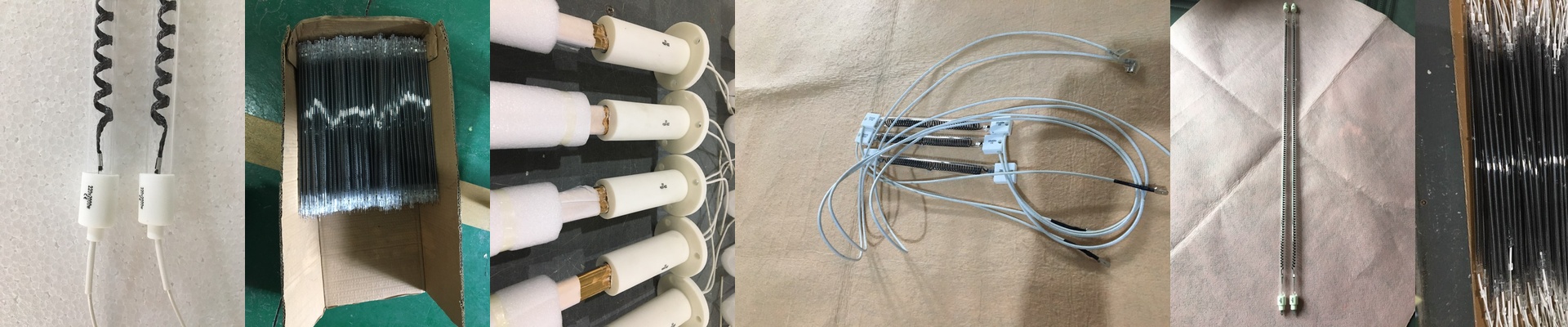
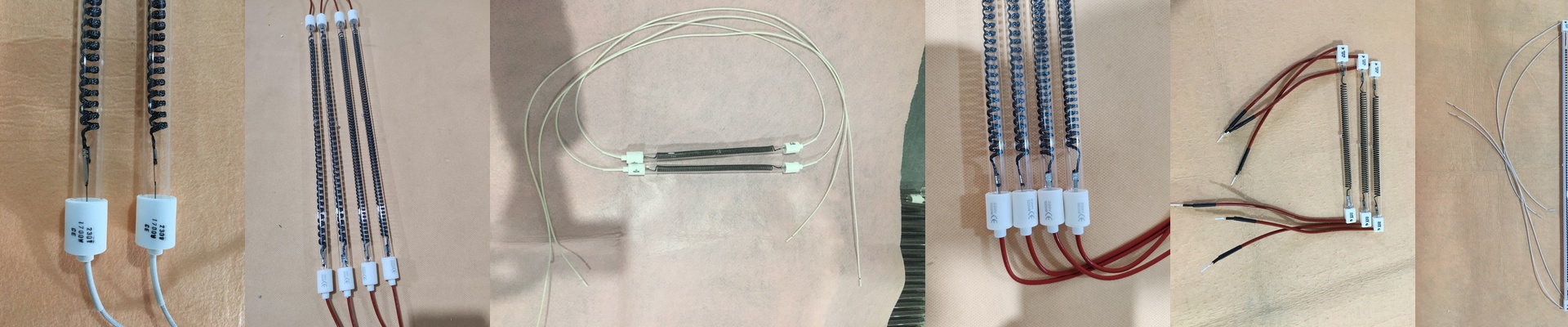
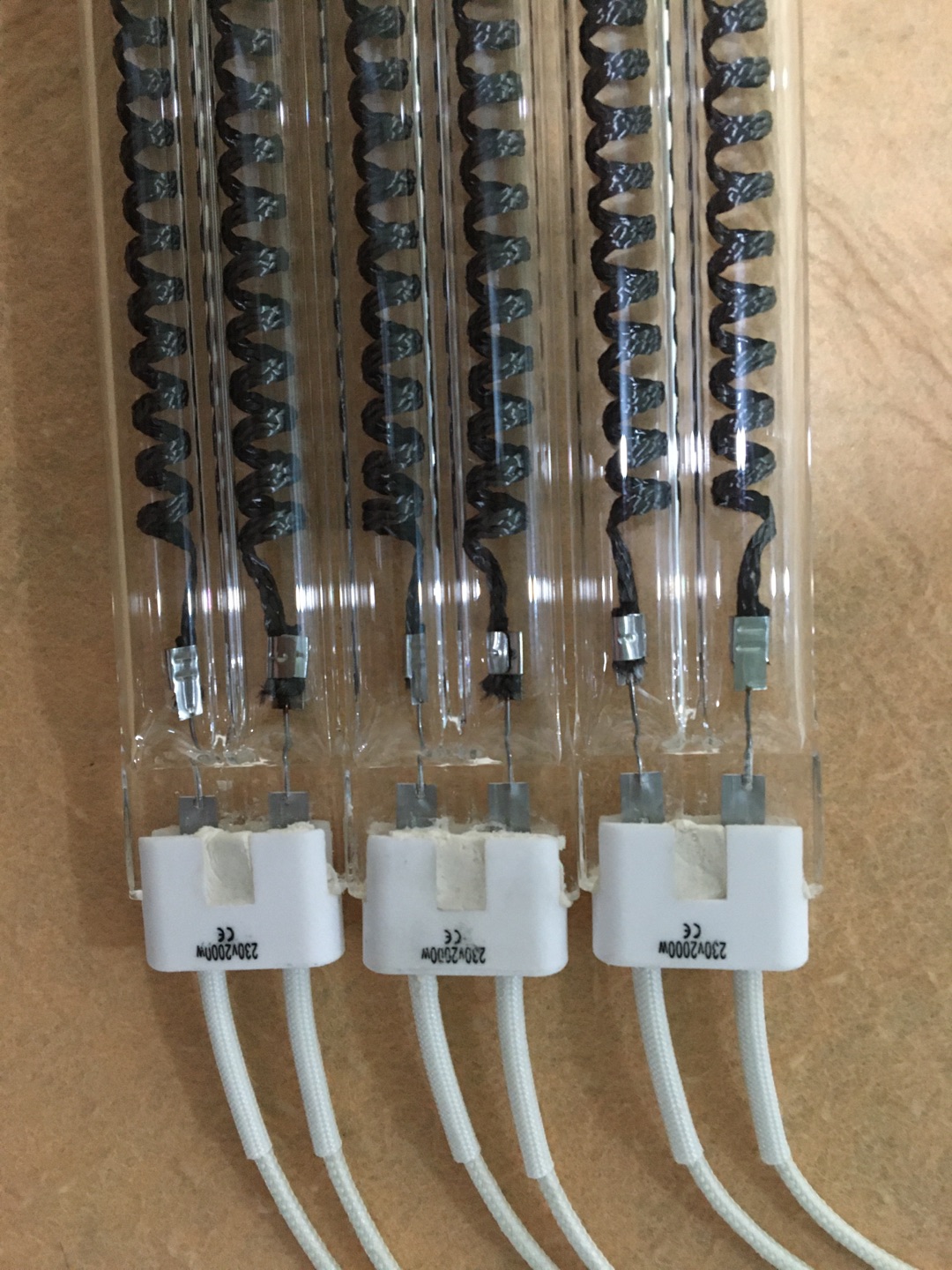
Let’s Talk Carbon Fiber Heating Tubes
If you’re tired of waiting for your equipment to warm up, you need to look at carbon fiber heating tubes. Instead of using old-school metal alloys, these use a conductive carbon filament to blast infrared radiation. The best part? They don’t waste time heating up the air around them. They send the heat straight into your workpiece. It’s direct. It’s efficient. Getting the Power Right When you’re picking a tube, the real magic is in the watt density—basically, how much power you’re packing into the length of the tube. If you go with a high-voltage setup, you can squeeze more power into a smaller space. This is great for keeping your heater bank compact. But here’s the thing: if you’re stuffing a high-wattage tube into a tight box, don’t skimp on your cooling fans. If the ambient heat climbs too high, you’re going to fry your terminals. And nobody wants to deal with that mid-shift. The Build and the Fit To keep the carbon fiber core safe, we wrap it in a quartz or ceramic envelope. This keeps oxidation from ruining the filament and lets the tube hit peak temperatures almost instantly. For the plugs, we usually stick with R7s or Sk15 connectors. Why? Because they just work. They’re standard, so they drop right into most industrial setups. Plus, they fit tight. When your machinery starts vibrating during a long run, you don’t want your connections rattling loose and causing arcs. Real-World Use (and the Catch) You’ll see these all over the place—PET blowing machines, paint ovens, plastic welding lines. Compared to stainless steel, carbon fiber ramps up fast. Really fast. That means your cycle times drop and you get more done on the floor. But, there is a trade-off. These things are fragile. Quartz is glass, and glass breaks. If you drop something on them or hit them with a sudden thermal shock, they’ll crack. Just make sure your mounting brackets are perfectly aligned. If the glass is under mechanical stress, it’s only a matter of time before it snaps.