Getting Infrared Heating Right for Quantum Chips
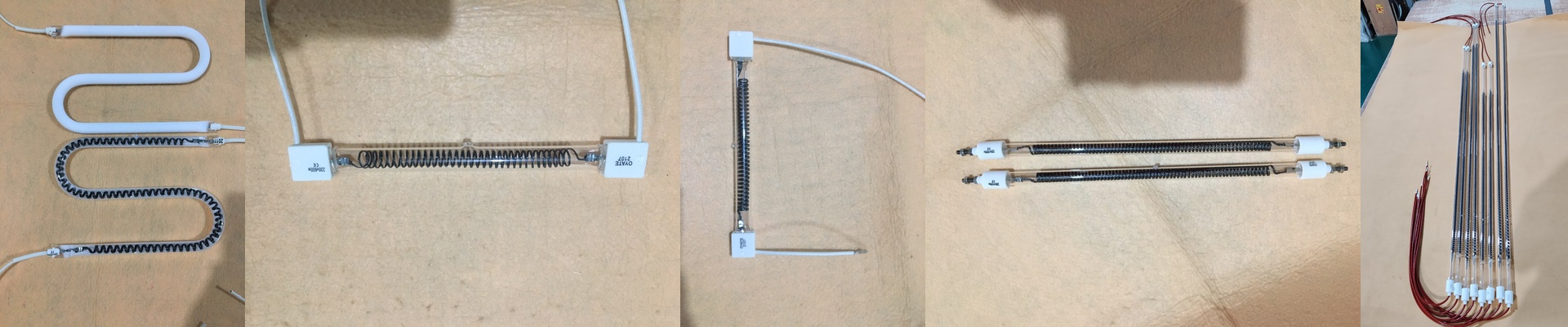
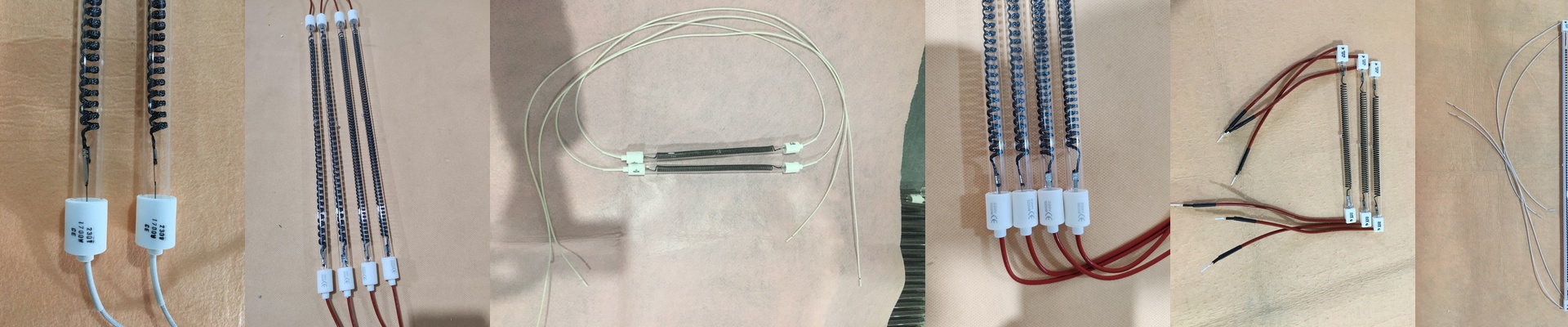
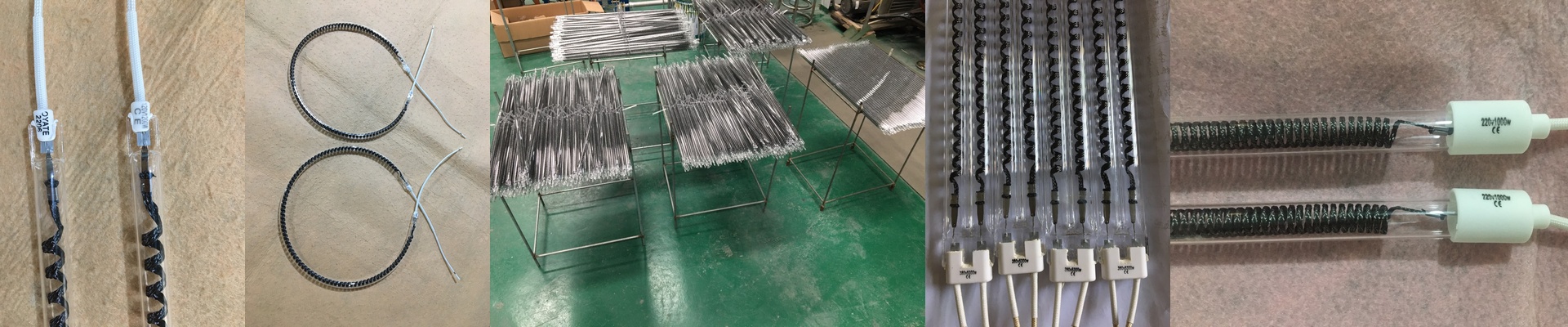
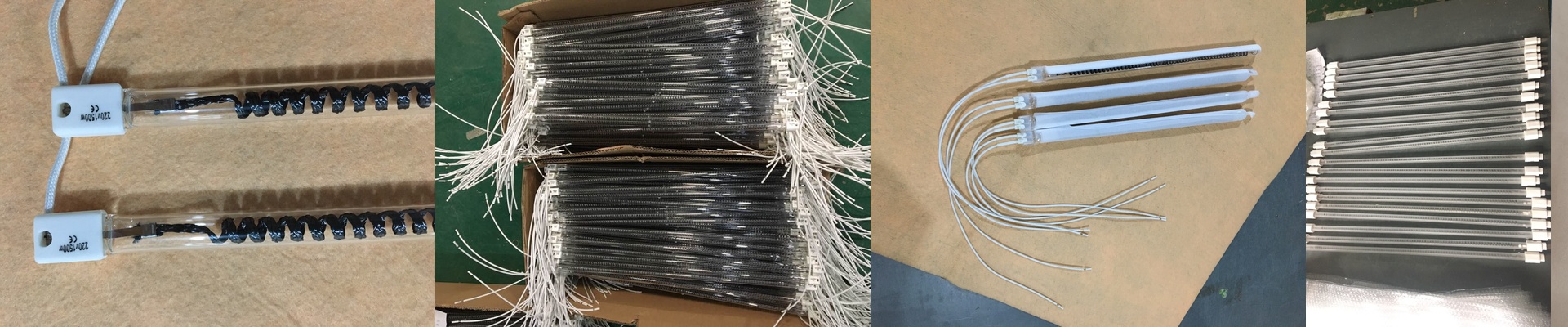
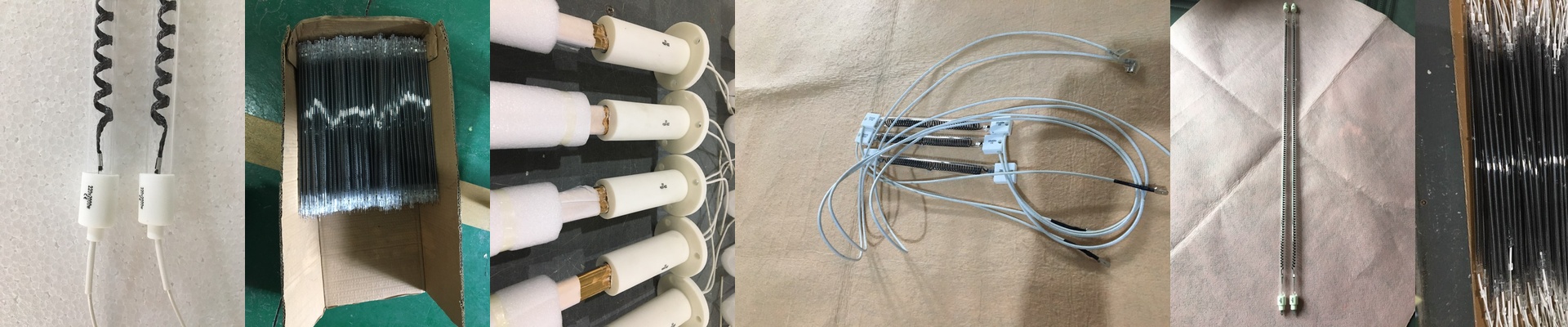
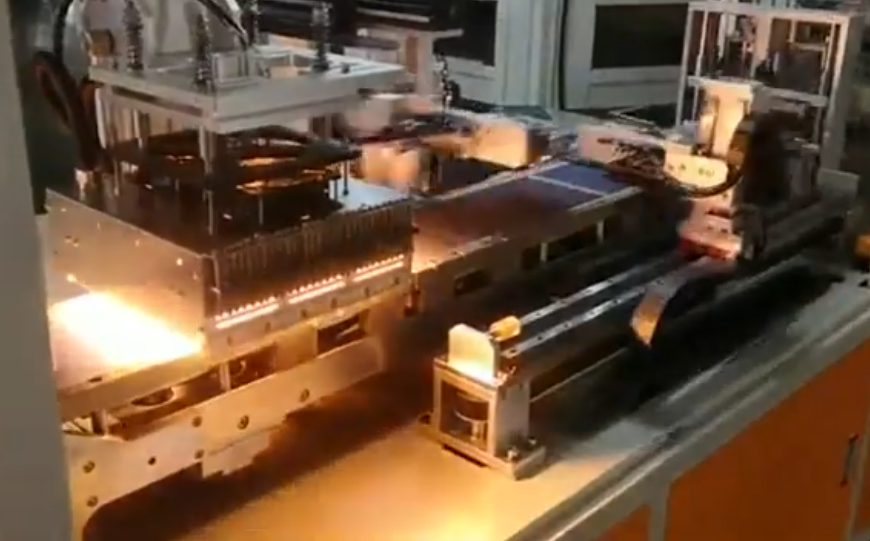
Making quantum chips is a completely different beast than putting together a standard PCB. You need a level of thermal precision that’s honestly a bit obsessive. That’s why we lean on digital infrared (IR) heating stations. Unlike hot air, which can be jumpy and unpredictable, IR heat just sinks right into the substrate. It’s cleaner. It’s more direct. The Heat Struggle We use short-wave IR emitters because they get the job done fast. Speed is everything here. If you let the heat soak in too slowly, those delicate quantum substrates can warp, and then you’re just staring at a very expensive piece of scrap. You also need a PID loop that doesn’t budge. If your temperature swings by even a couple of degrees, you’ll kill the coherence of your qubits. It’s a tightrope walk. The Gear Inside these stations, we pack in high-density quartz lamps. They can handle the massive wattage you need for quick curing or degassing without breaking a sweat. The best part? The digital controllers let you map out heat zones. You can crank the power in the center and dial it back around the edges. This stops that annoying “edge-effect” where the perimeter of your board gets fried while the middle is still cold. Real Talk: The Shop Floor Here’s the thing: these systems put out an incredible amount of heat. If your ventilation isn’t up to the task, you’re going to have a bad time. If you don’t pull that ambient heat away from your control electronics, your sensors will start to drift. It’s a trade-off. You get way more throughput, but your HVAC system is going to be working overtime. One last tip on the wiring. Use shielded cables. Seriously. Quantum chips are incredibly sensitive to noise. If you let electrical interference from the heating elements leak into your testing gear, you’ll be chasing ghosts in your data all day. Keep your power lines and your signal lines in their own lanes. Simple, but it saves you a massive headache.