Stop Heating the Air and Start Tuning the Light
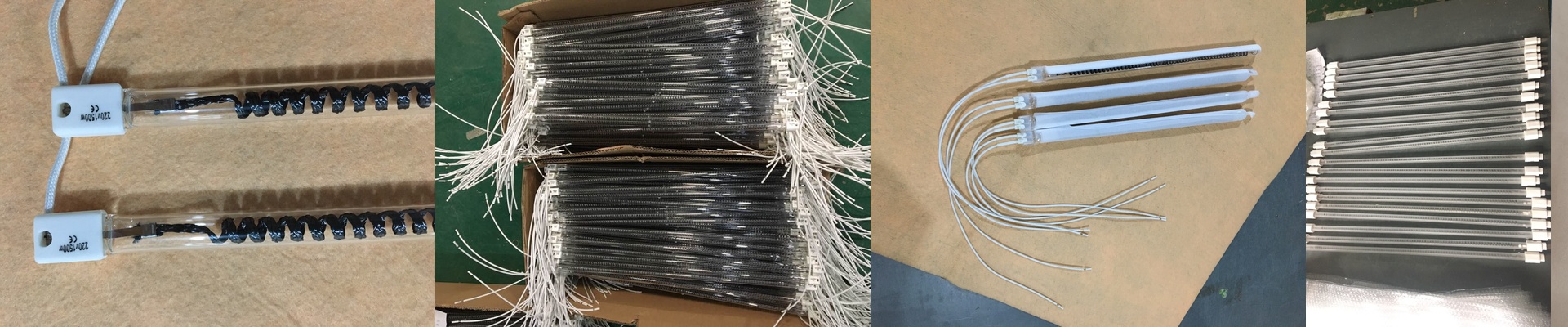
We aren’t really in the business of building heaters. We tune light. In the world of sustainable electronics, the difference between a perfect solder joint and a pile of scrap usually comes down to a few nanometers. That’s it. Our lab spends its time obsessing over short-wave infrared (SWIR) and UV spectra because we’re tired of seeing energy go to waste.
Why most heaters are wasting your money
Here’s the thing: most industrial heaters just dump energy everywhere. They heat the machine chassis, the air, and the room. Everything except the part you actually care about. We do things differently. We spec our lamps to hit the exact absorption peaks of your specific materials. By narrowing that bandwidth, we push the energy straight into the substrate. It’s faster. It’s cleaner. And you stop paying to heat the warehouse.
The danger of “just adding more power”
We use high-purity fused quartz for a reason. If the glass has impurities, it steals the energy meant for your product. The result? Your tubes burn out way too fast. I’ve seen engineers try to fix a bad spectral match by just cranking up the wattage.**Don’t do that.**All you’re doing is frying your connectors. You have to find the sweet spot between power density and your conveyor speed. A narrow-band lamp packs a massive punch in a tiny footprint. If your line moves too slowly, you’ll scorch the board before it even hits the next station. Plus, make sure your cooling system can handle the reflected radiation, or you’ll end up with a warped housing.
Making low-temp sintering actually work
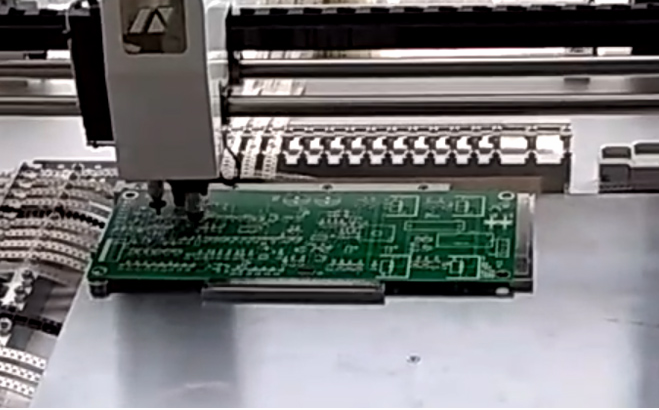
If we want manufacturing to be sustainable, we have to get away from those massive, power-hungry ovens. We use specific spectral peaks to trigger photochemical reactions without needing the whole assembly to be boiling hot. This is a huge win if you’re using recycled plastics—you can assemble the board without melting the casing. It’s a bit of a trade-off, though. Your energy bills drop and your materials stay intact, but you have to be much more precise. The distance and angle of the lamp have to be spot on to keep the heat uniform across the PCB. It takes a little more finesse, but the results speak for themselves.