Technical Deep-Dive: Power, Voltage, and Geometry
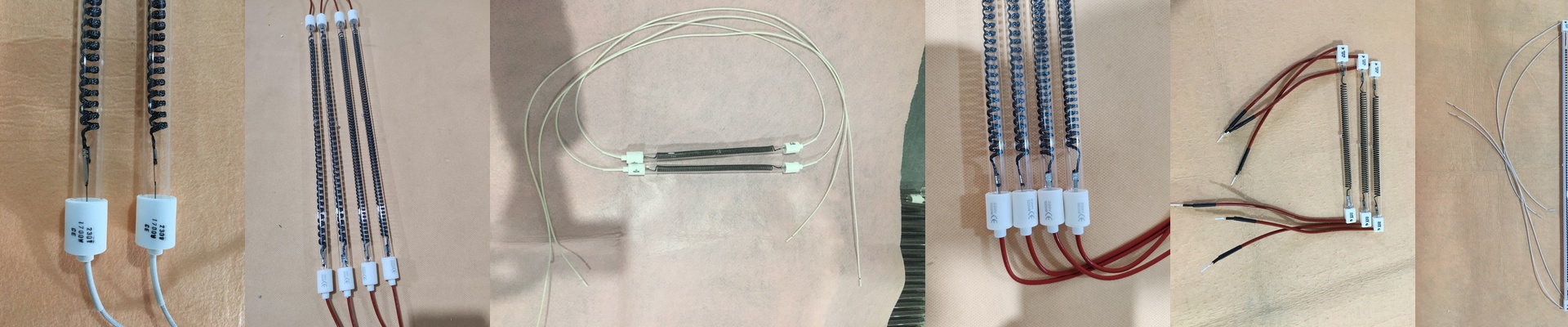
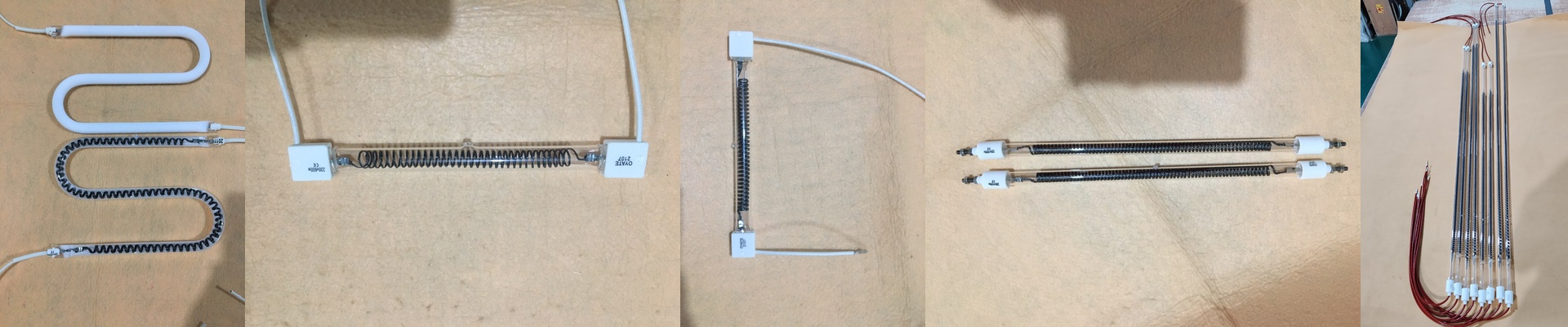
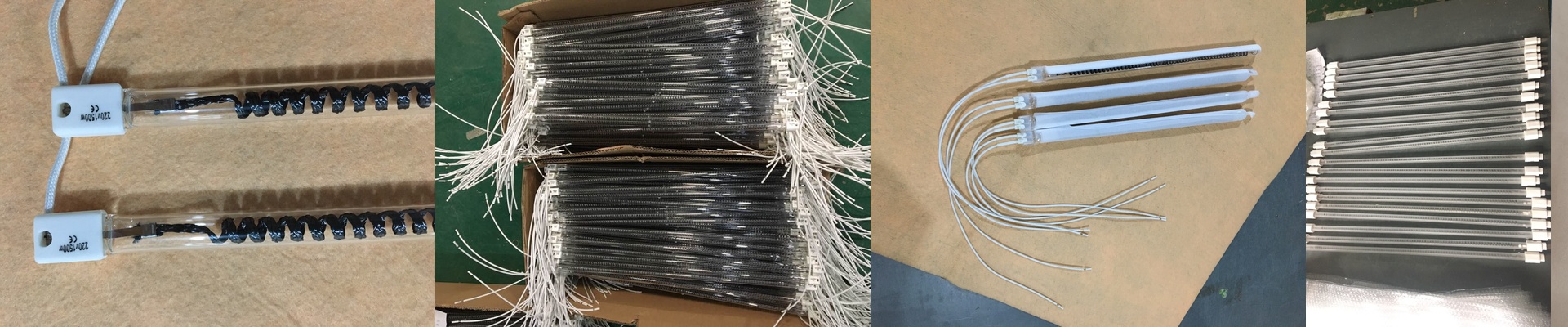
Here’s the thing about these electric carbon rod heaters: they’re all about squeezing serious heat into a tiny footprint. We spec them to deliver high-intensity infrared when space is at a premium. The standard setup? A 400V supply paired with a 2500W rating, all wrapped in a 300mm quartz tube. Why the high voltage? It’s intentional. It pushes the current down while keeping the power up. That means we can use smaller conductors and keep the terminals from getting scorching hot inside the compact lamp ends. And that 300mm length? It’s a footprint call. It gives you a tight, concentrated heat zone that slips into crowded heating blocks and short barrels without forcing you to redesign your whole machine. The wattage density is high, so you get fast warm-up and rock-solid surface temperatures. But—and this is important—that also means the surrounding components feel the heat. Plan your cooling and thermal clearances early.
Material and Design: Halogen, Quartz, and Terminations
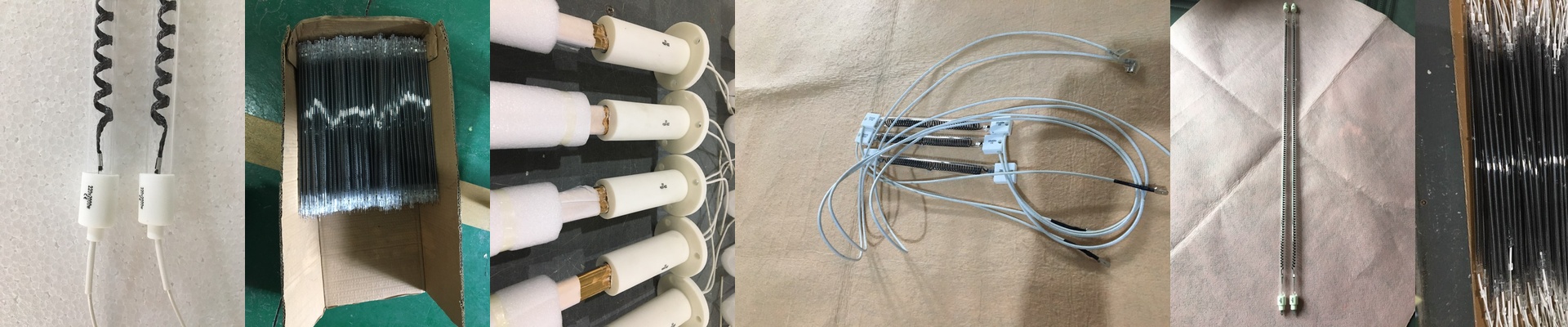
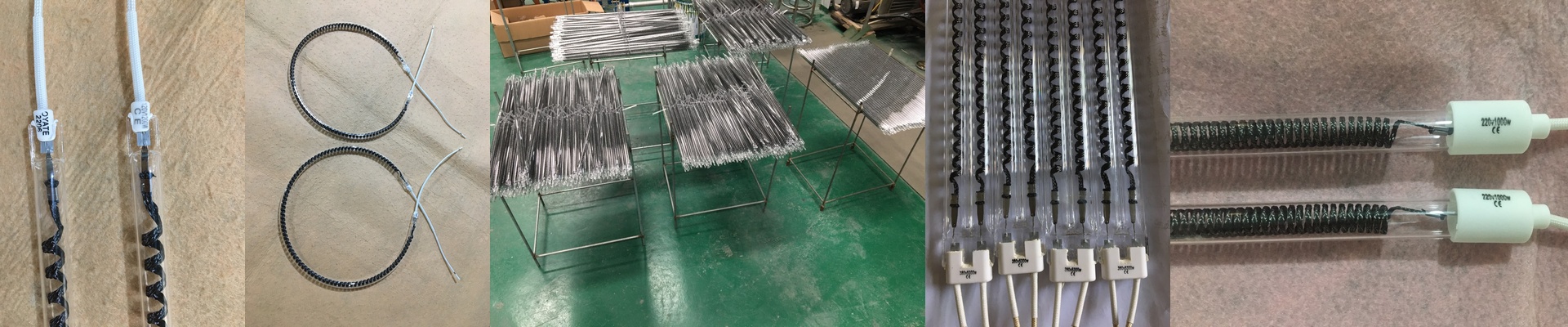
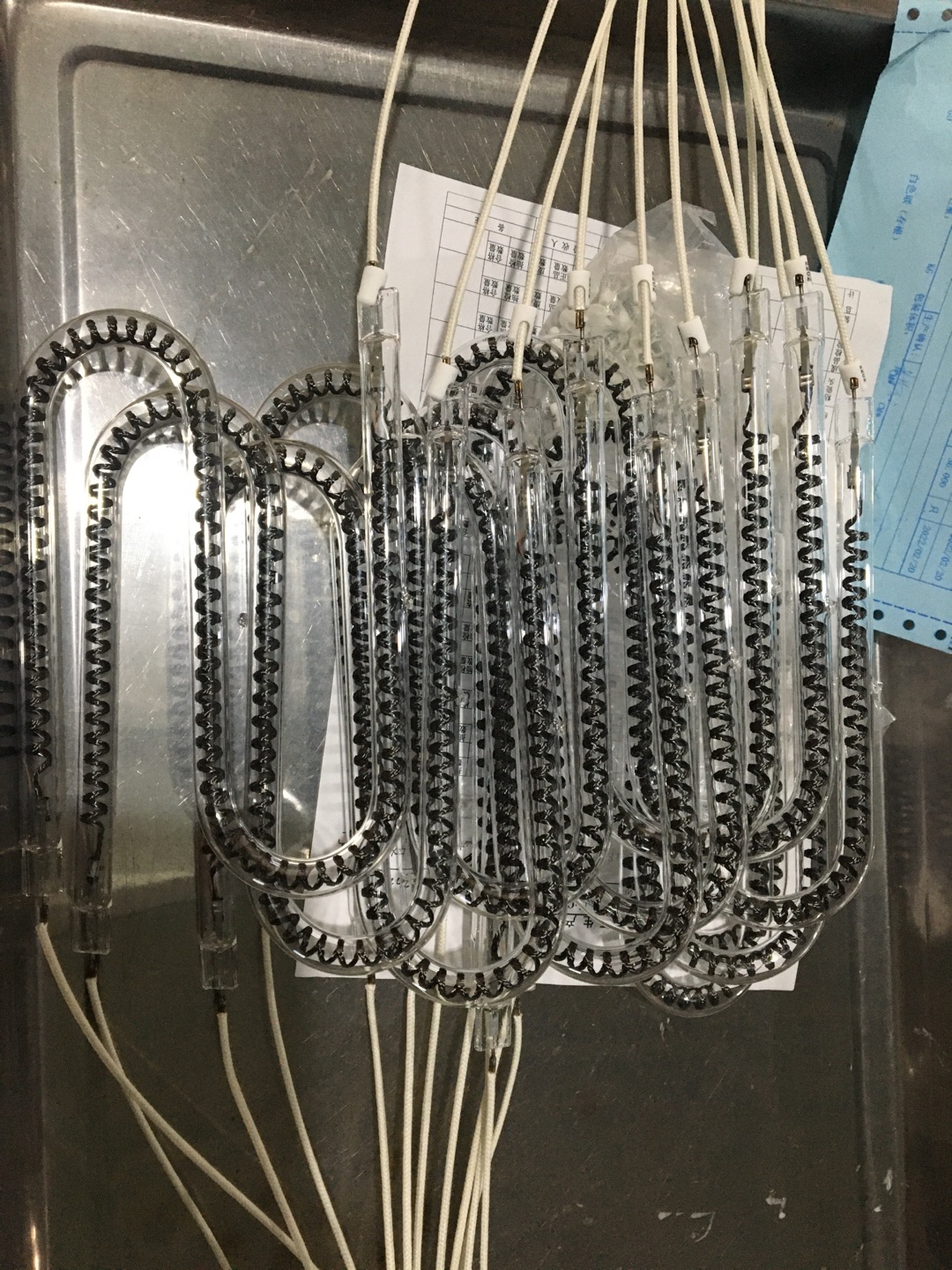
Inside the tube, the carbon rod runs in a halogen environment. The halogen cycle keeps the element clean by pulling evaporated material back to the hot zone. That stabilizes output over the life of the lamp and keeps blackening to a minimum. The quartz envelope? It handles the thermal shock of rapid start-ups and stands up to the extreme temperatures needed for strong infrared emission. Terminations are typically R7s or Sk15. These bi-pin ends make mounting straightforward and keep contact pressure solid in industrial fixtures. They give you a secure mechanical fit and consistent electrical contact—critical when the heater vibrates during operation. If you push the lamp beyond its voltage rating, expect a shorter life. Overdriving speeds up element evaporation and puts extra stress on the quartz.
Application and Benefits: Targeted Heat for Production
This heater family is built for industrial heating that needs intense, directional infrared in a small space—think plastics heating, thermoforming pre-heat zones, and component drying. The compact form is a direct install, often dropping right into existing lamp holders. You get fast response and focused heat exactly where you need it, which helps shorten cycle times on heating stations. But the trade-off is real: with 2500W packed into a 300mm tube, the reflector and mounting hardware run hot, and your machine’s cooling system needs to be properly sized. Spec the voltage right, match the connector, and this heater performs predictably—even in high-demand production environments.