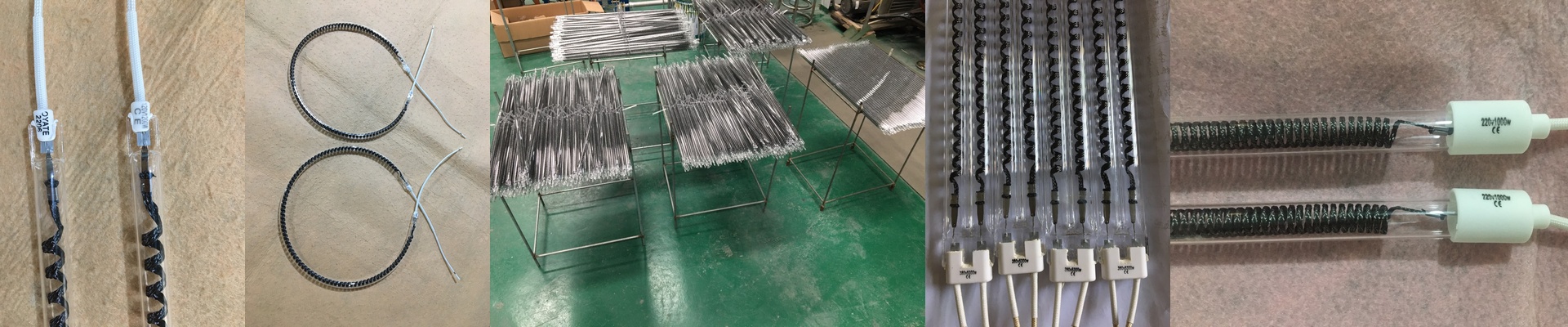
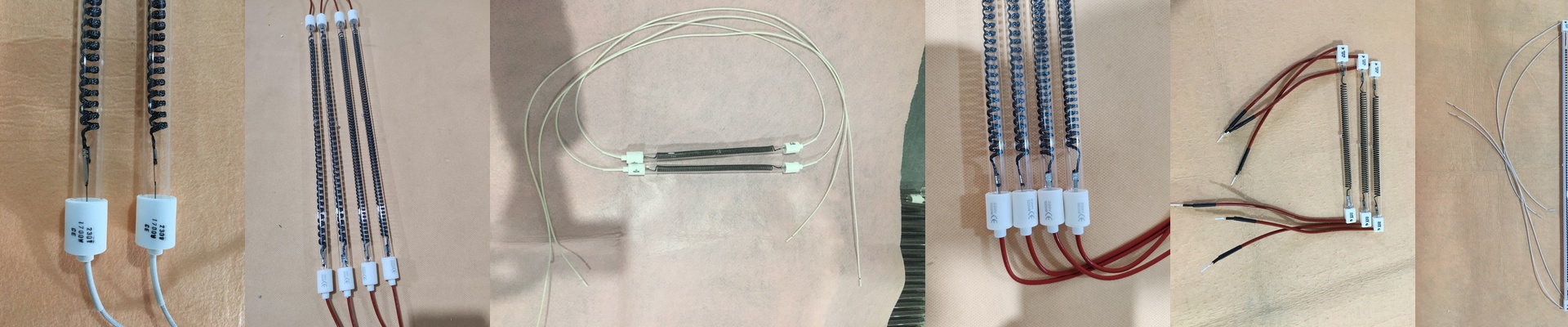
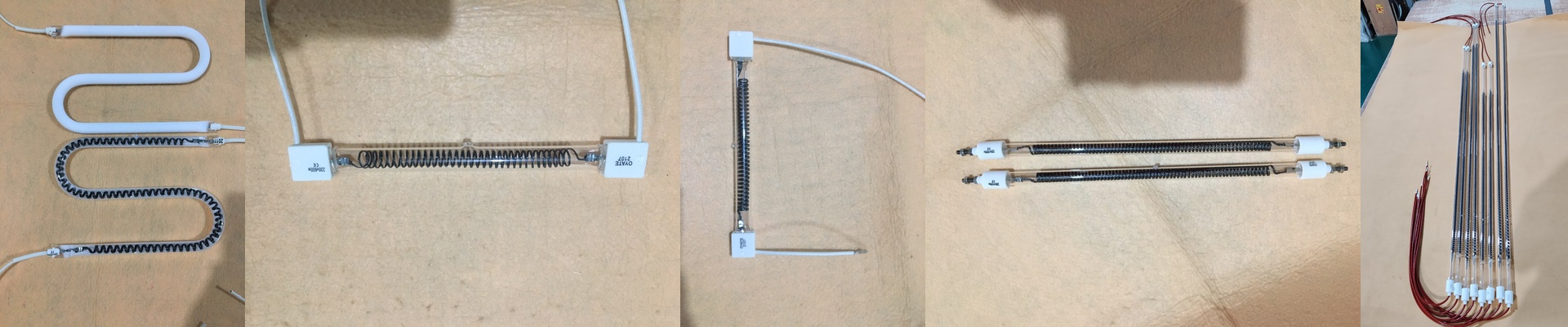
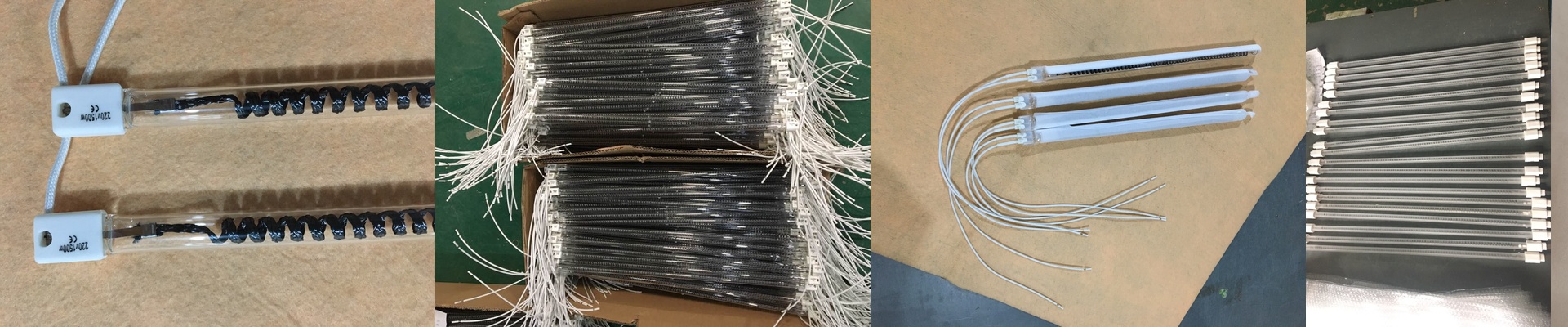
Quartz Carbon Heating Tube: Power, Design, and Industrial Application
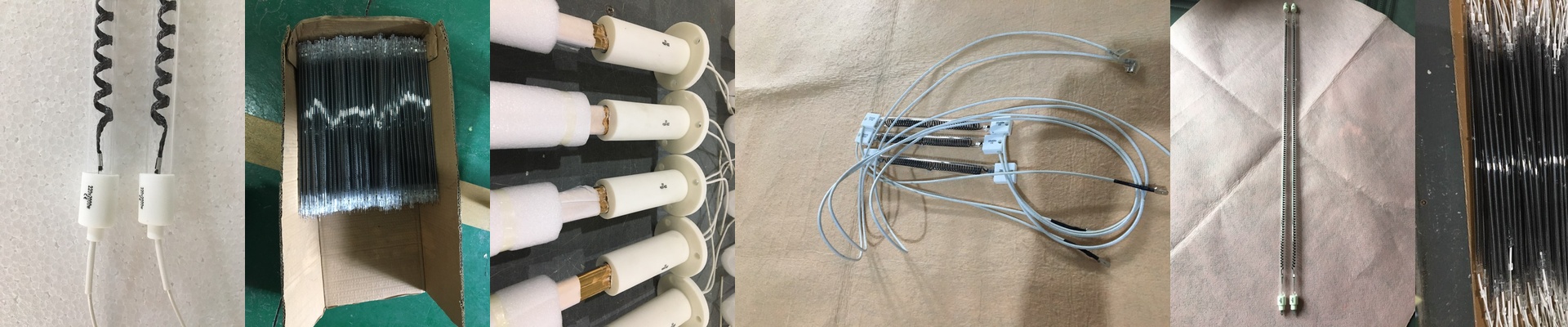
We build the quartz carbon heating tube for one reason: to deliver raw, controllable infrared heat in a compact footprint. When you need fast heat-up and precise temperature management on a machine line, this is the workhorse we spec out. It is a direct-replacement heat source for industrial heating, drying, and forming processes where space is tight and thermal response matters.
Technical Deep-Dive: Power, Voltage, and Dimensions
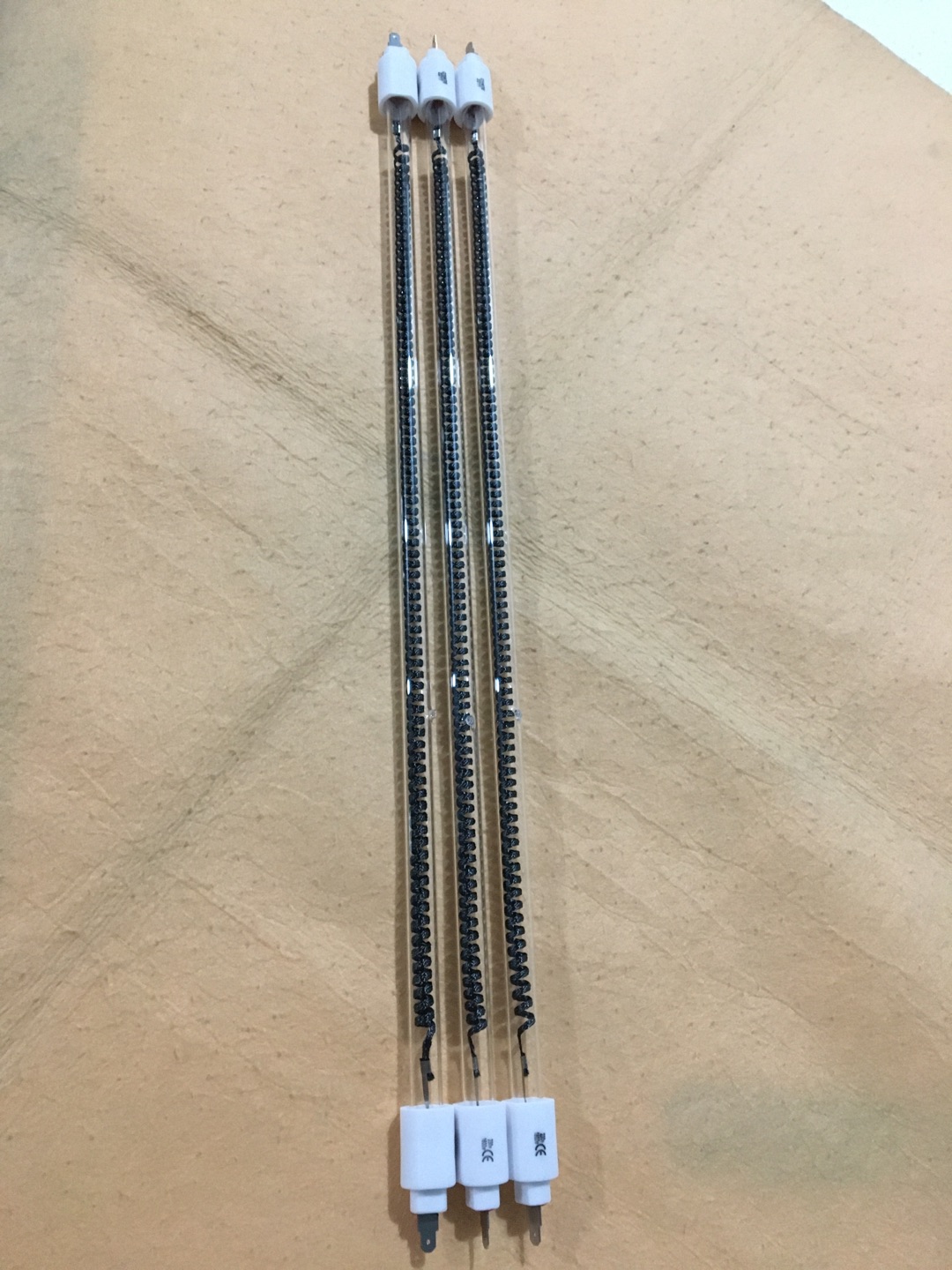
The core of this tube is the carbon filament inside a quartz envelope, engineered to run at high power density. Typical configurations run at 400V with wattages from 1000W to 2500W, in lengths from 300mm up to 1500mm. This is not arbitrary. A 400V design keeps current draw down for a given wattage, which reduces conductor size and voltage drop on the machine wiring. A 300mm, 2500W tube gives you intense heat in a short length. That is ideal for focused zones like PET preform heating. A longer tube, say 1200mm at 1500W, spreads the same power over a larger area, giving you a uniform heating window without hot spots. When you spec the tube, match the wattage to your thermal load and the length to your part envelope. High power density means fast response, but it also means the surroundings see more radiant heat. Plan your machine cooling and shielding accordingly.
Material and Design: Why Quartz, Carbon, and R7s
Quartz is the envelope for a reason. It handles the thermal shock of rapid heat-up, stays stable at high temperatures, and stays transparent to infrared. That transparency lets the carbon filament’s radiation pass through with minimal absorption, keeping output consistent. The carbon filament itself delivers a broad infrared spectrum, which penetrates plastics and coatings more evenly than narrow-band sources. We coat the quartz in many builds to control output and protect the envelope. A reflective coating redirects energy forward, boosting effective watt density on the target and reducing wasted heat toward the backside. An anti-reflective coating can increase transmission, improving overall efficiency. The connector choice matters in the field. The R7s base is a standard for linear tube lamps. It provides solid contact and handles high temperatures. It also makes the tube a straightforward drop-in replacement on existing fixtures. If your machine uses a different interface, we can spec SK15 or other terminals to match your footprint. The point is simple: you should be able to wire it up without redesigning the machine.
Application and Benefits: Where It Works and What It Costs
We see these tubes on PET blow molding lines, thermoforming machines, and drying tunnels. In PET heating, the tube’s fast heat-up and high intensity let you shorten cycle times and maintain consistent parison temperature. In thermoforming, the broad infrared profile heats sheet evenly, which cuts scrap from uneven stretch. In drying, the radiant energy penetrates coatings and films without overheating the surface, which reduces blistering. The benefits are practical. You get rapid thermal response, stable output, and a compact form factor. The tubes are built to take a beating in industrial environments, but they are not indestructible. High watt density and high voltage demand proper insulation, grounding, and thermal management. Expect the envelope to be sensitive to mechanical shock, and plan for easy access during replacement. Run the tube within its rated voltage and temperature, and you get repeatable performance shift after shift. If your machine needs a heater that starts fast, holds temperature, and fits standard mounts, the quartz carbon heating tube is a solid, field-proven choice. **Note:**Specifications such as voltage, wattage, length, and terminal type are configurable. Always verify the exact part number against your equipment before ordering to ensure a drop-in fit.