Introduction
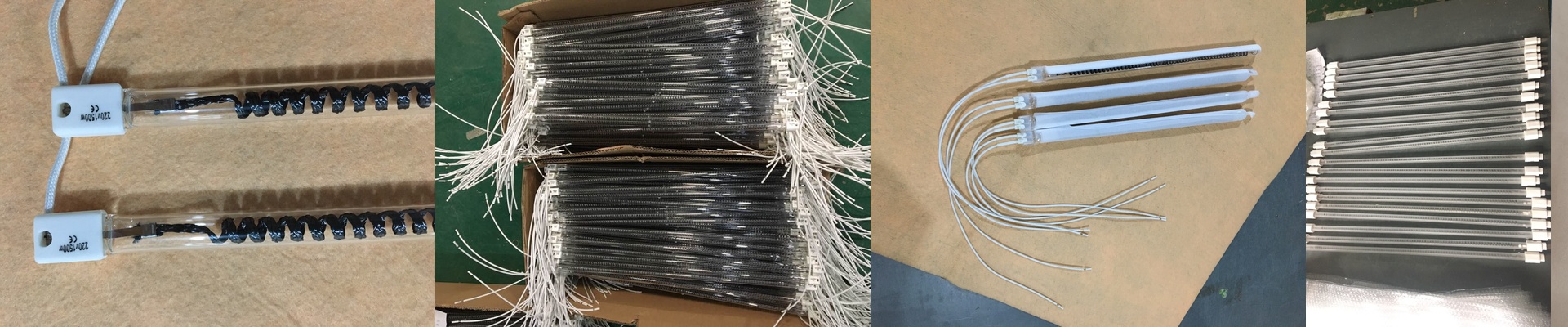
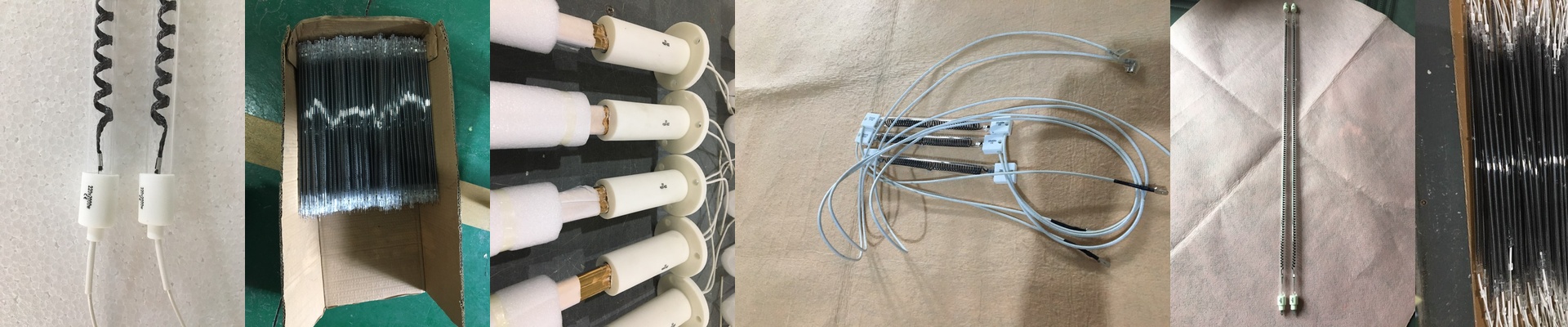
We built this 640mm carbon fiber infrared heating lamp for one simple reason: industrial heating that needs to snap into action—fast—and then just hold steady. It’s the kind of workhorse you drop in when space is tight but the heat has to be serious, whether you’re running plastic processing or drying lines.
Power, Voltage, and Shape—Why It Matters
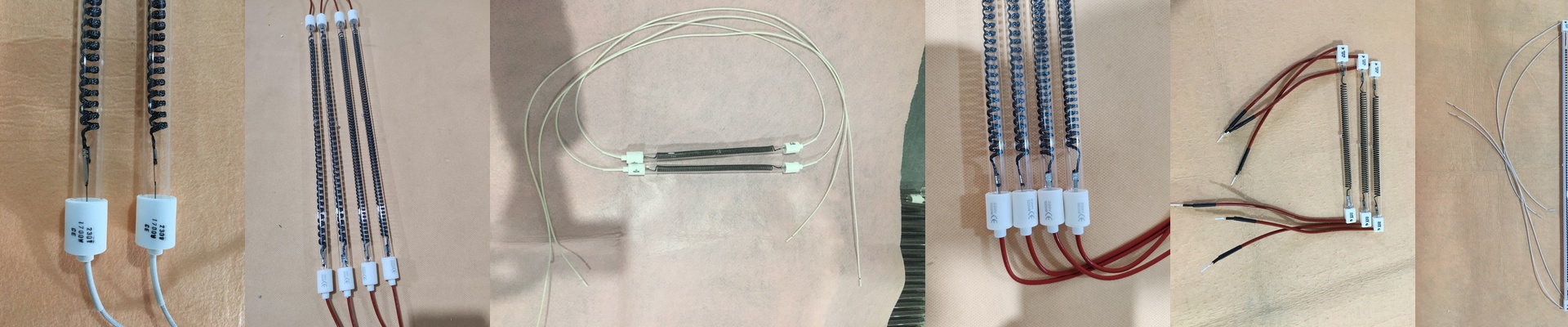
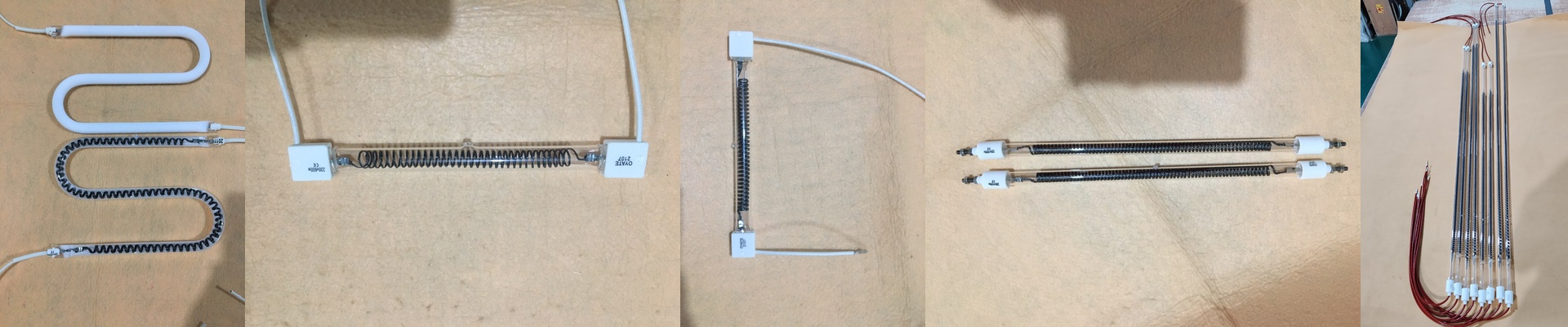
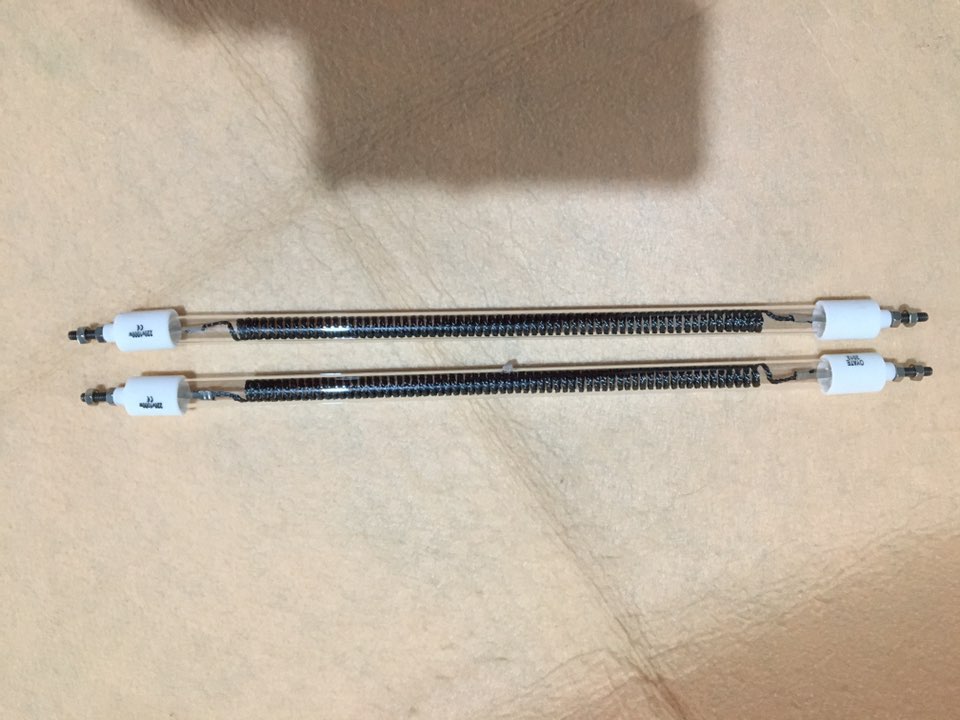
It’s rated at 2600W across a 640mm active length, so the heat is concentrated right where you need it. No energy wasted across the whole machine. You get a tight, focused blast of infrared—exactly what you want when you need heat density without a footprint problem. And here’s the practical bit: it’s usually driven by a high-voltage supply. That keeps the current manageable, which means you can use smaller conductors and keep the wiring clean. The shape is long and slender on purpose, so it slips neatly into standard reflector channels and slot-in heater housings. Along the length, the heat distribution stays predictable—handy when your process needs consistent temperature bands.
Materials and Design—What’s Inside, and Why It Works
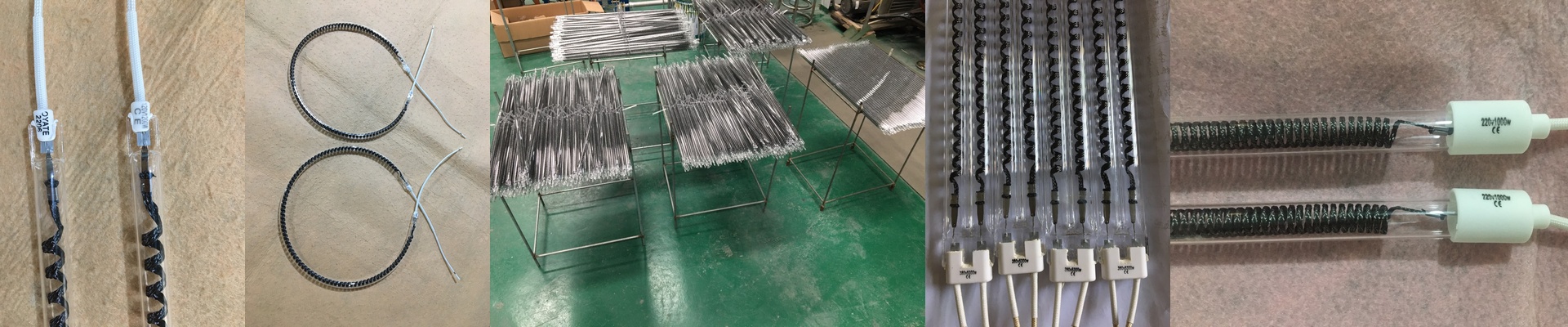
The carbon fiber element is the heart of it. It responds quickly and holds steady through repeated heating and cooling cycles, so warm-up time drops and those temperature swings settle down. That element sits inside a quartz envelope. Quartz is chosen because it handles sudden temperature shifts well and passes infrared cleanly. Many versions are halogen-filled and coated to shape the spectral output and protect the filament from hot spots. Then there’s the R7s base—a simple, two-contact linear connector. It locks in length and polarity, so swapping a lamp on the line is straightforward. No messing around with terminal blocks. You pull, you plug, you’re back up.
Where It Shines—And What to Keep in Mind
This lamp was built for industrial work that demands rapid heat-up and reliable, continuous operation—plastics heating, coating curing, material drying. The compact, linear shape makes it easy to build modular heater banks that you can zone for different stages of the process. Because the heat density is high, you hit target temperatures quickly. But that also means you need proper cooling and thermal management around the lamp to protect nearby components. In practice, it’s a clean upgrade when you need more output in the same space, and the R7s interface keeps installation quick and maintenance simple.