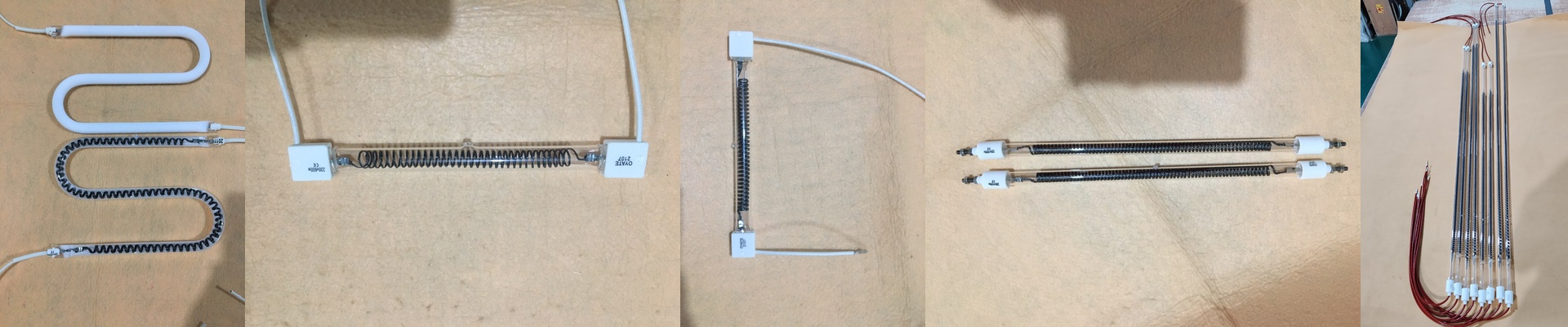
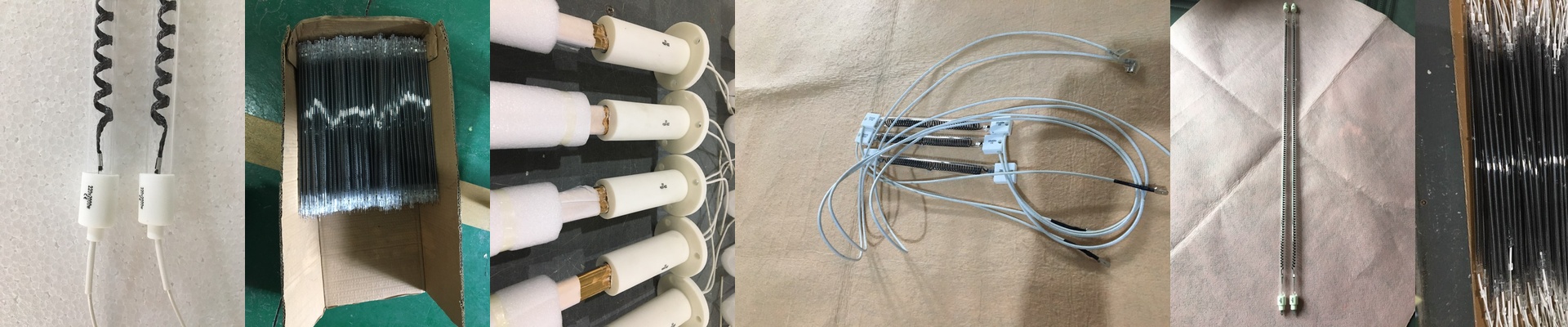
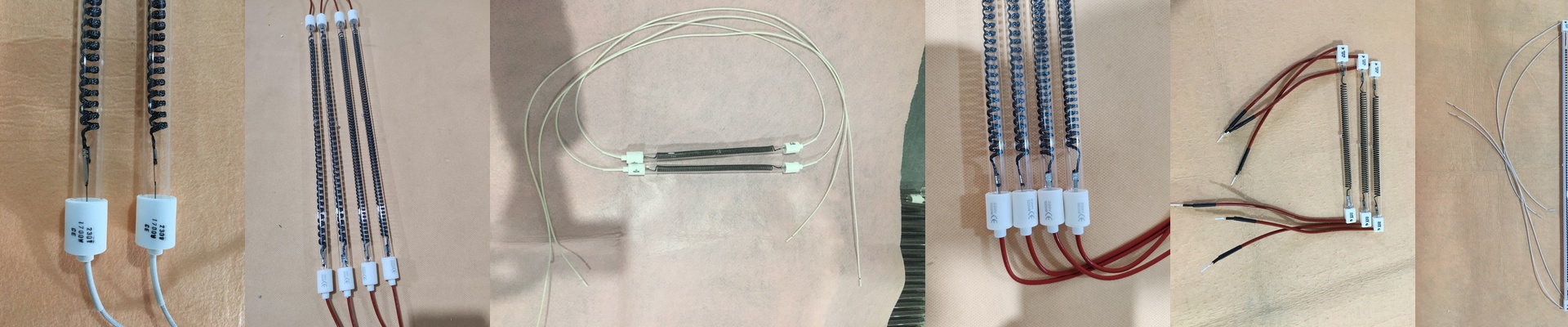
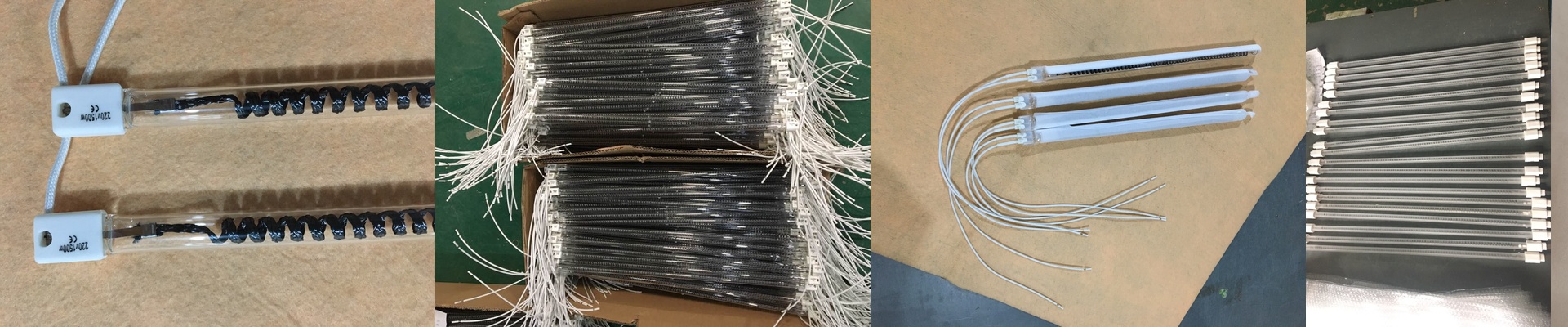
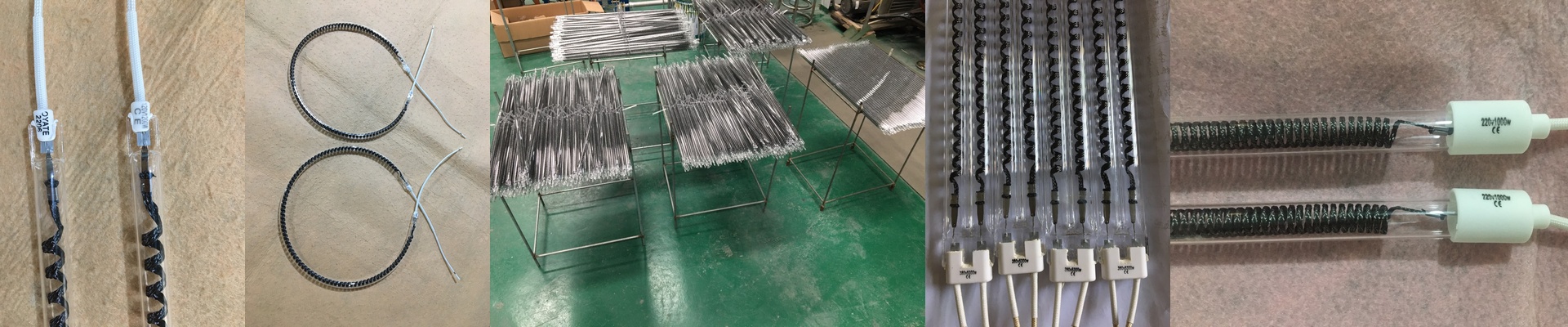
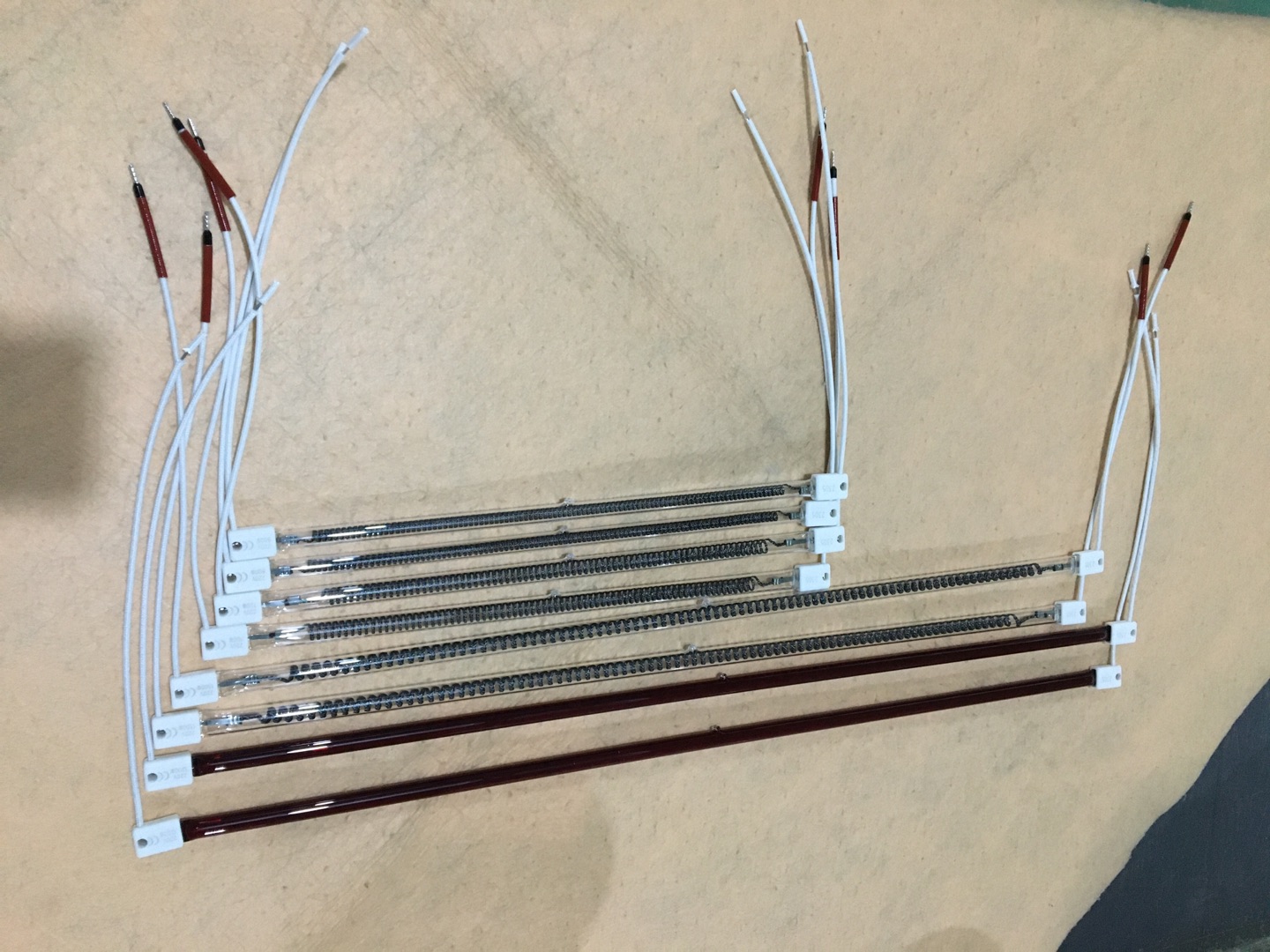
We built these infrared heaters for one simple reason: to get heat exactly where you need it, and stop wasting energy on the air around it. When you’re choosing between quartz and carbon, you’re really just matching a tool to the job. One is quick and intense. The other is steady and even. Let’s get into the details that make them work. Take the 400V, 2500W setup. It packs a lot of power into a small space, so you can hit a tight zone fast. The 300mm length wasn’t an accident—we made it to fit standard component tracks and heating channels. Hook them straight into your control panel, and you’re good to run on industrial power with confidence. Now, the feel of the heat. Quartz heaters use a halogen element inside a quartz sleeve. The payoff? Lightning-fast response and a short-wave output that dives right into the surface. Carbon heaters take a different approach. They spread a medium-wave warmth that covers more ground and keeps things even. And the R7s connector? It’s the standard on many tubular models, giving you a solid two-point contact that stays tight even when the heat cycles up and down. So when do you pick one over the other? Reach for quartz when you need immediate, focused heat on a small target—plastic welding, drying parts, or curing. It’s fast. Really fast. Go with carbon when you need uniform warmth across a larger area, like pre-heating molds or warming conveyor belts. The trade-off is straightforward. Quartz delivers speed and intensity, but the element runs hotter, so your cooling needs to be ready for the extra ambient heat. Carbon takes a little longer to hit peak temperature, but it runs slightly cooler. Match the material to your cycle time and the kind of heat profile you need, and you’re set.