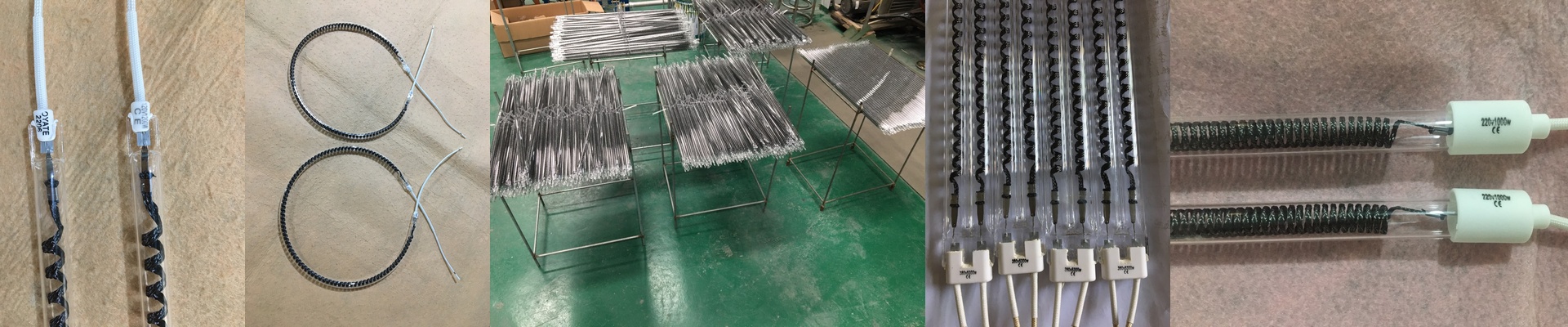
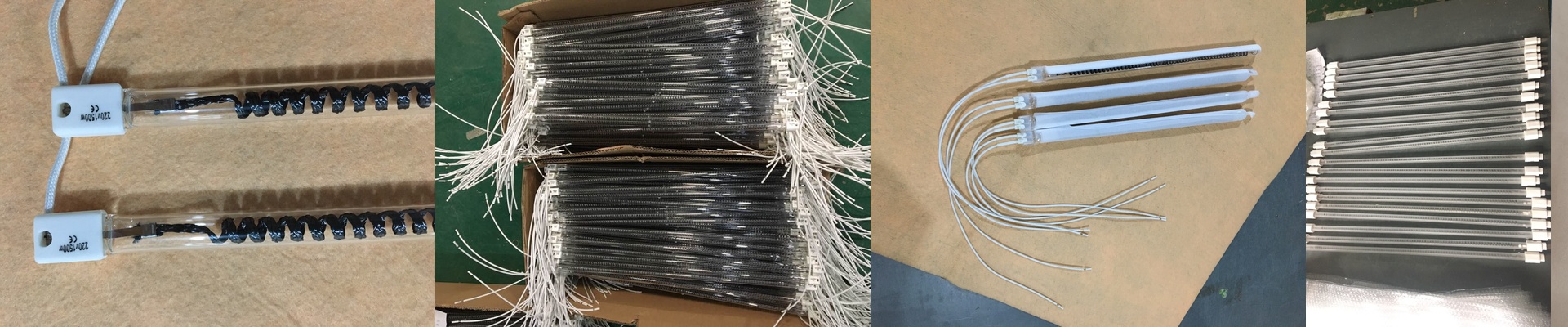
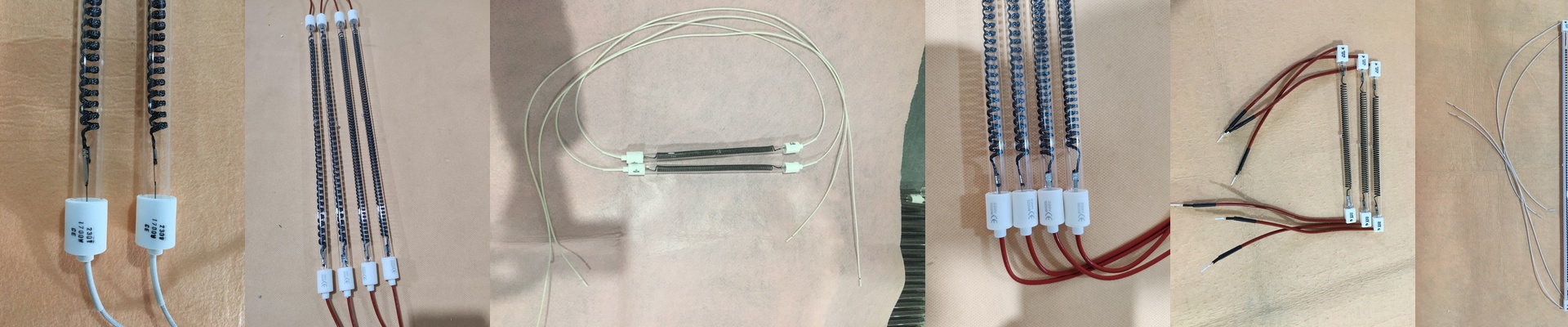
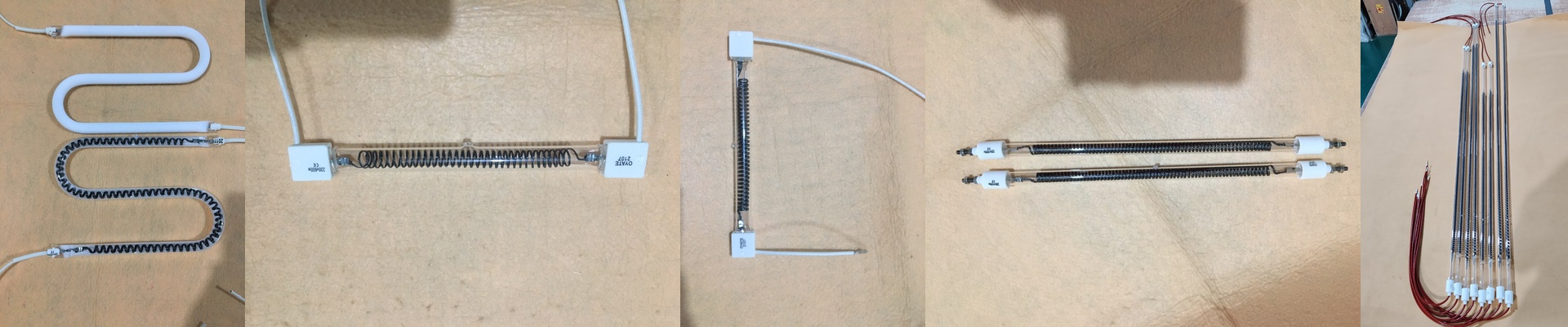
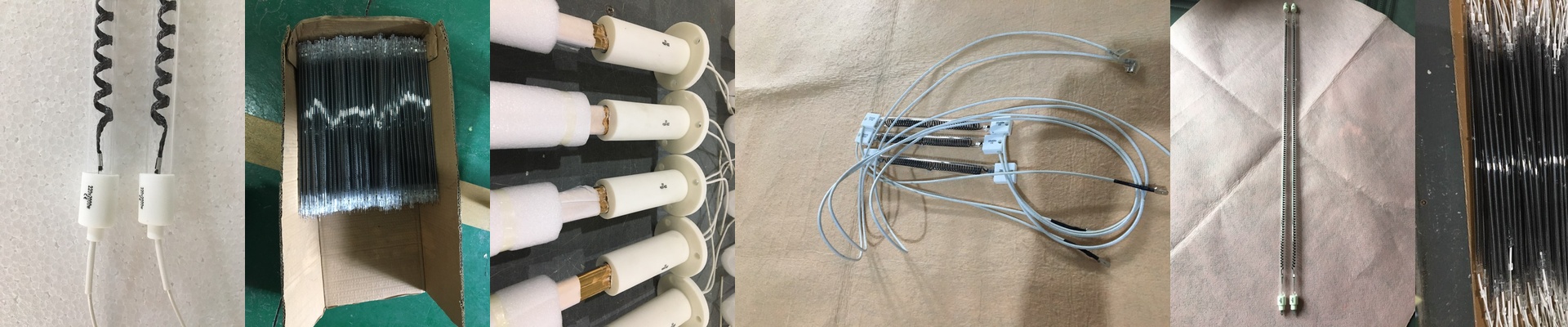
100% Carbon Fiber Infrared Heat Lamp for High-Output Barbecue Systems
We built this heat lamp for one reason: to give industrial barbecue lines serious, focused heat—fast. No bulky elements. Just pure, direct power when you need it. It’s an infrared emitter, engineered to blast radiant energy right where you want it—onto the product—so you get that quick sear, that perfect brown, and control over temperature without the lag.
Power, Voltage, and Physical Specs—Without the Fluff
This carbon fiber lamp packs a lot of heat into a small footprint. It runs on high voltage, which drops the current draw for the same output. In practice, that means simpler wiring and less stress on your terminals. It’s short, so it fits into tight zones. And the heat pattern is tight, so you can hit a specific cooking line without turning the whole chamber into a sauna. Just know this: it runs hot. That’s the trade-off for the intensity. So make sure your mounting hardware and reflector spacing are up to the job.
Material & Design: Carbon Fiber Filament and R7s Connection
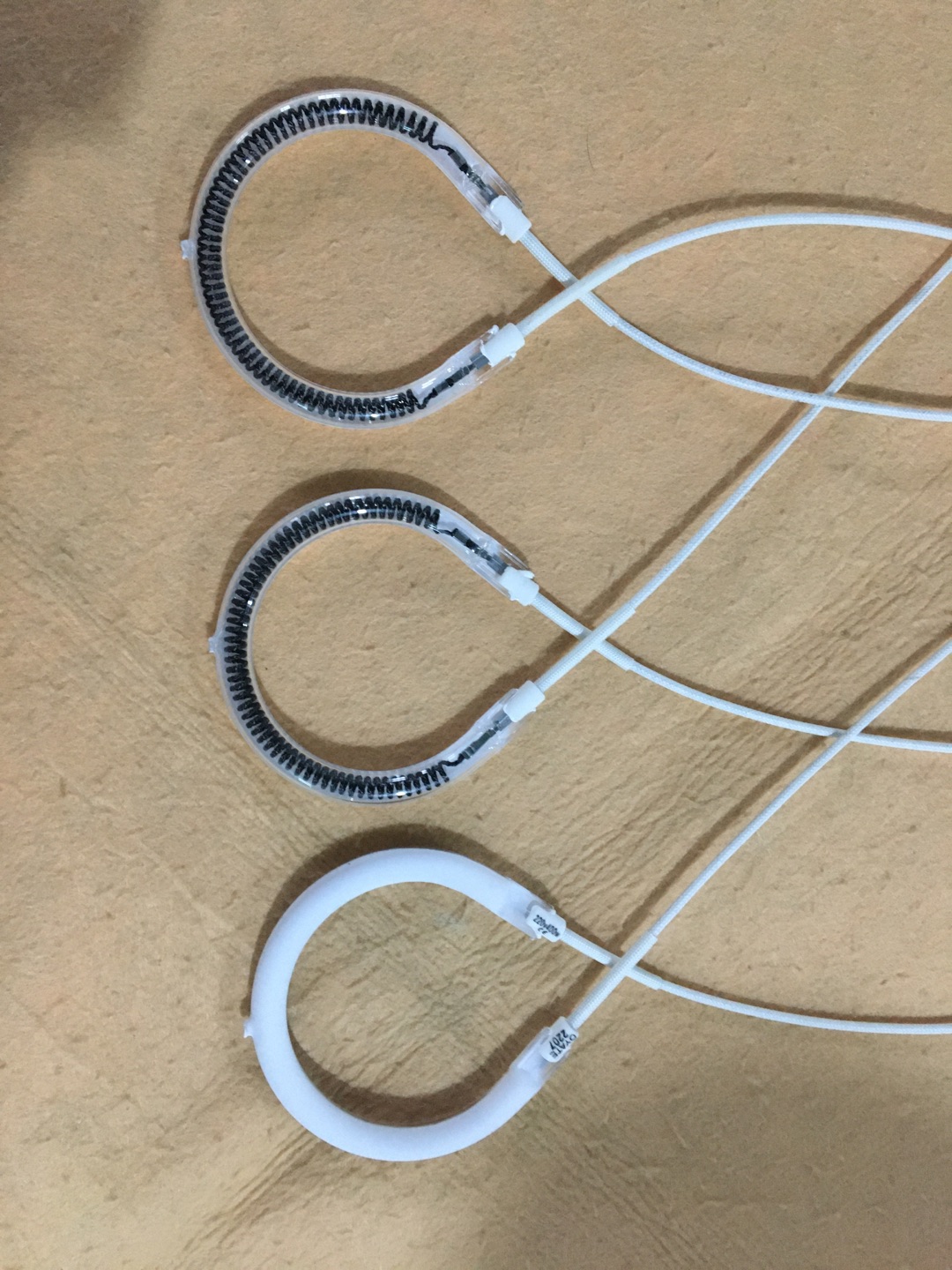
Inside, you’ve got 100% carbon fiber filament in a quartz envelope. Why? Because it heats up fast and delivers steady infrared output, cycle after cycle. Carbon fiber handles the shock of repeated on/off cycles way better than metal sheath elements. No cracking. No drama. The R7s connection? It’s straightforward. Slide it in, lock the ends, and wire it up. Low resistance at the joints keeps hot spots down and makes it reliable, even when you’re running hard and switching often.
Application & Benefits: Controlled Heat for Barbecue That Moves
In barbecue processing, timing is everything. You need heat that hits instantly, sears the surface, and still lets you control the inside. This lamp puts the heat exactly where you aim it. That means you can push line speeds higher without fear of overcooking. And if you’re swapping out an existing infrared lamp, this is designed as a drop-in replacement—so maintenance is quick and painless. But remember: the output is intense. Your ventilation and guarding need to be built for that heat load, and your team needs protection. **One last thing:**Before you install, double-check the model’s voltage and wattage against your control panel. Matching the electrical spec isn’t optional—it’s how you keep everything running safely.