Carbon Fiber Halogen Infrared Heating Tubes: High-Density Heat for Precision Work
We built these carbon fiber tube lamps for one simple reason: to pack a ton of infrared heat into a tiny space. These aren’t your run-of-the-mill heaters. They’re made for the industrial jobs where you need intense, focused heat—fast—without taking over the whole floor.
What’s Under the Hood: Power, Voltage, and Size
Here’s the thing about these lamps: they run on 400V, which is standard for industrial setups. It keeps the power strong over distance without drawing too much current. And at 2500W? They heat up fast. Seriously fast. The 300mm length isn’t random, either. It matches the heating zone of most process machines, so you get a tight, predictable heat pattern right where you need it. Just know this: you’re getting serious heat flux. That’s the point. But it means your control system and cooling setup have to be ready for it.
The Build: Carbon Fiber, Halogen, and R7s
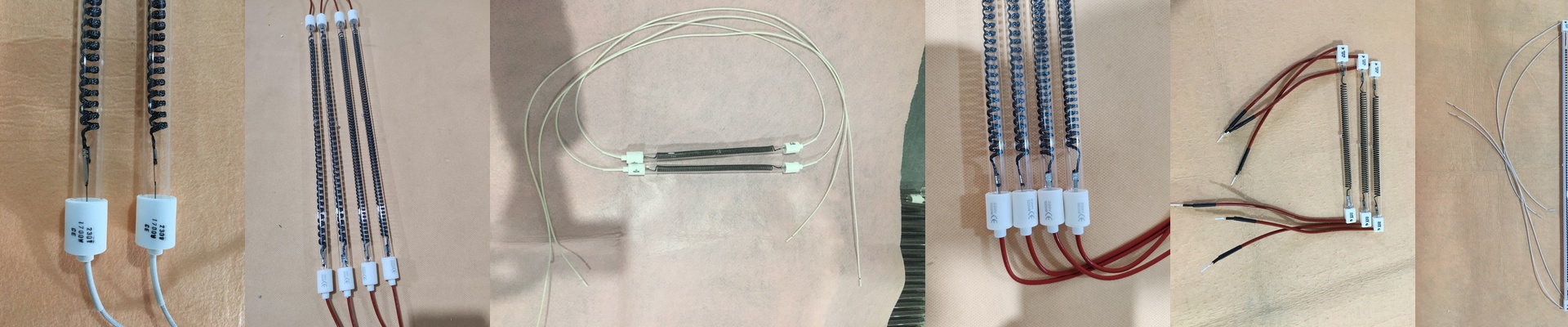
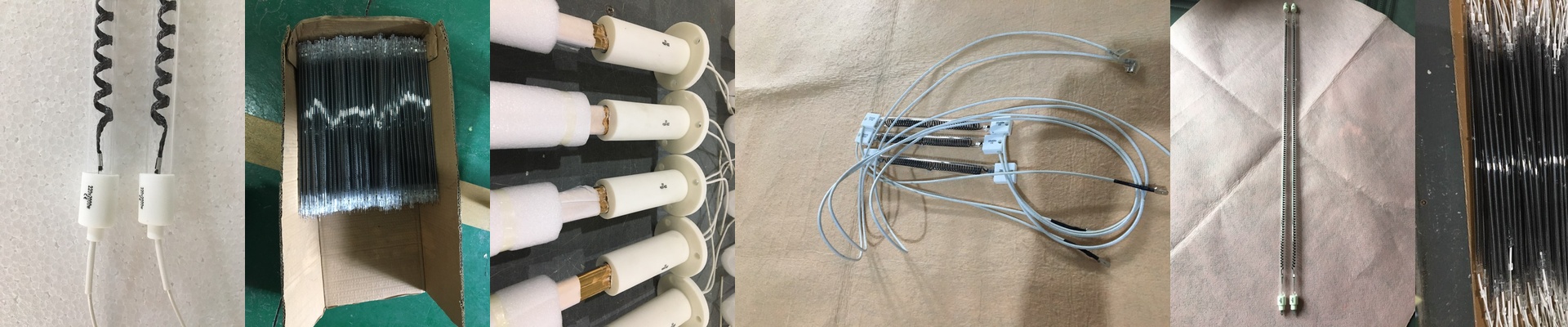
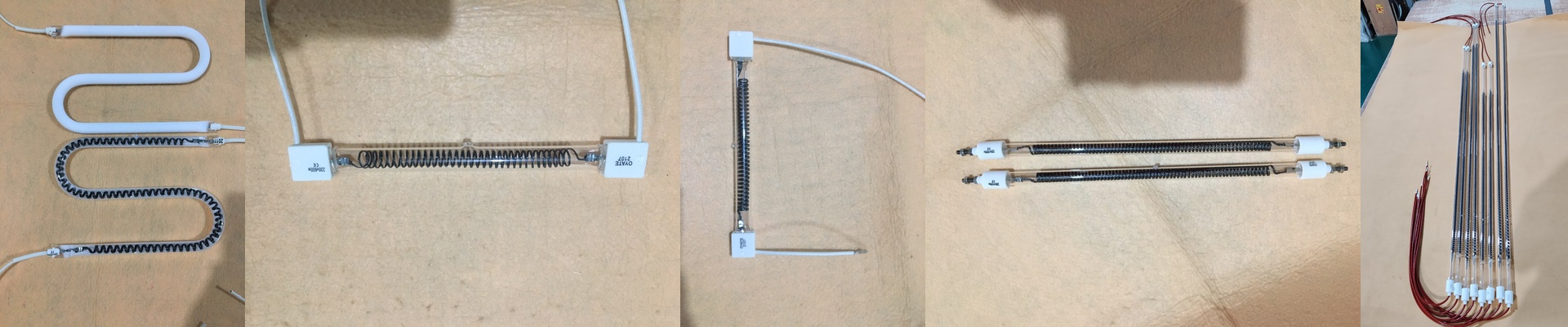
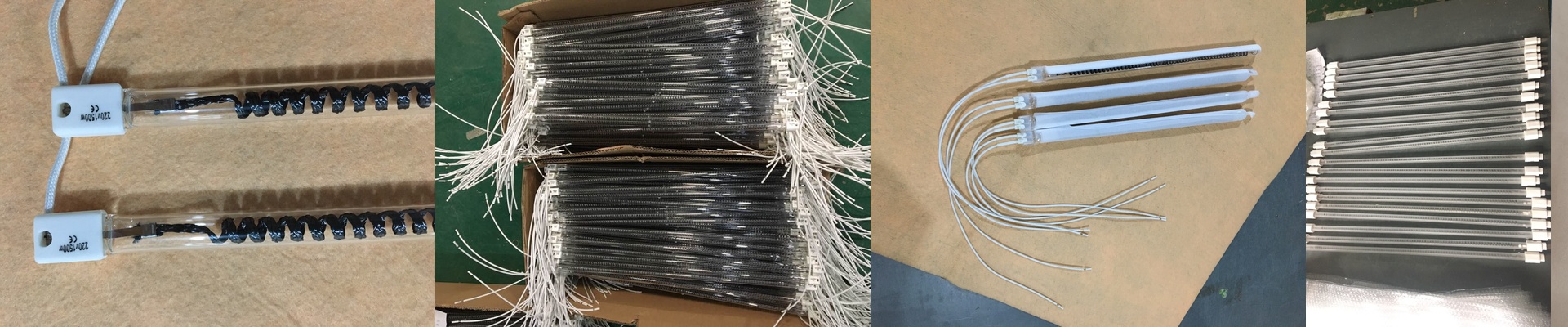
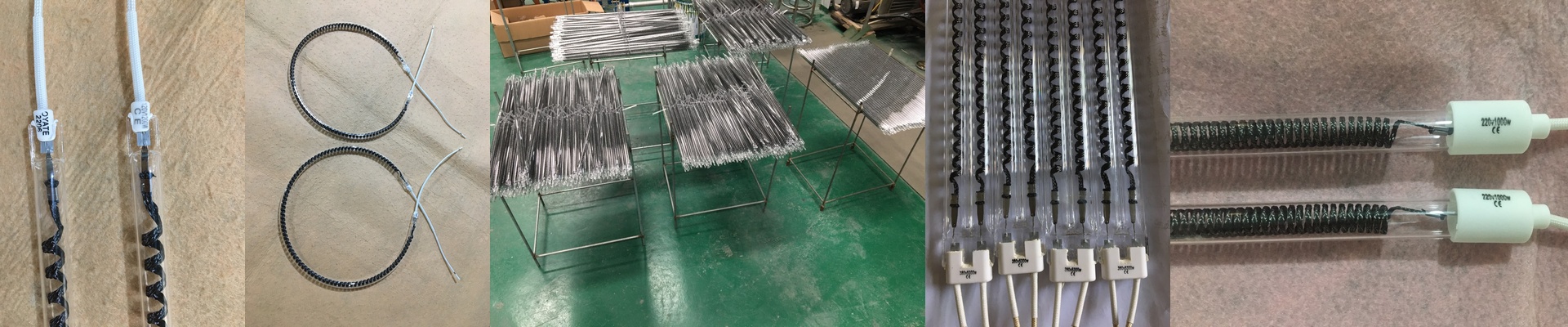
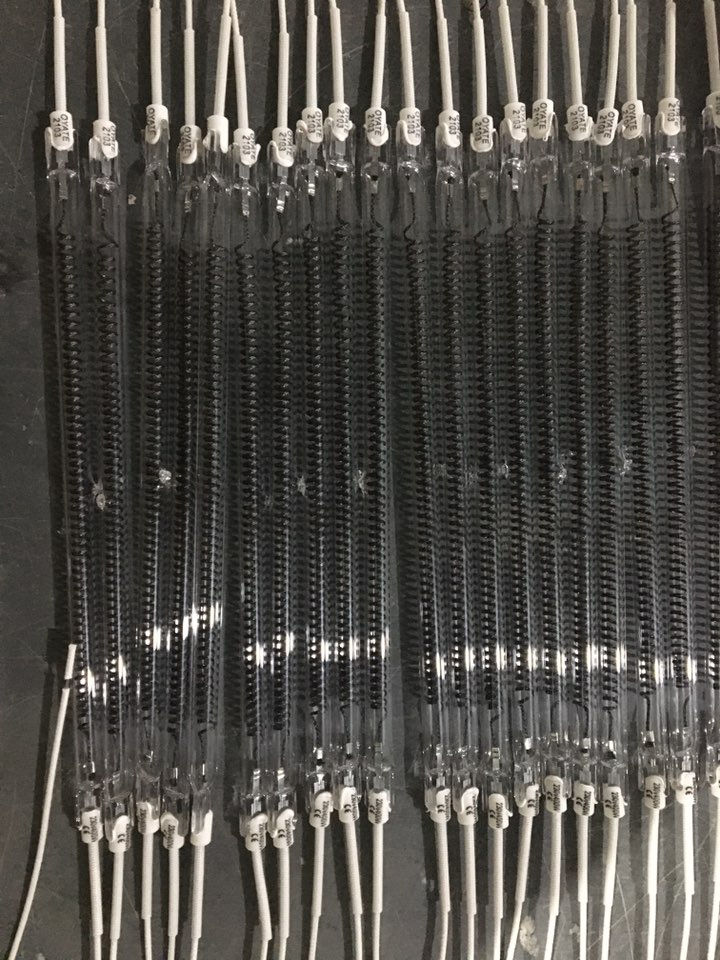
Inside, a carbon fiber heating element sits in a quartz tube, surrounded by a halogen fill. This setup keeps the filament temperature steady, so the output stays consistent over time. Compared to open-coil elements, it’s just more stable. And longer-lasting. Plus, the shortwave infrared output is tuned to be absorbed by plastics and coatings—exactly what you want for precision work. And the R7s connector? It’s a straight, two-pin design that makes mounting and wiring straightforward. No fuss. Just a clean, drop-in replacement.
Where It Shines: Real-World, Tough Environments
These tubes are for the spots where you need heat that’s fast, reliable, and right on target. Think PET blowing, shrink tunnels, thermoforming zones—any tight spot where precision matters. The compact size slips easily into tight machine bays. The halogen chemistry keeps the heat steady, day after day. And the R7s termination makes swaps quick when it’s time for maintenance. But remember: this is high power density. It gets the job done. It just demands respect. Plan for proper thermal management and safety guarding. That’s the trade-off for serious, focused heat.