A Practical Look at Infrared Carbon Heating Tubes
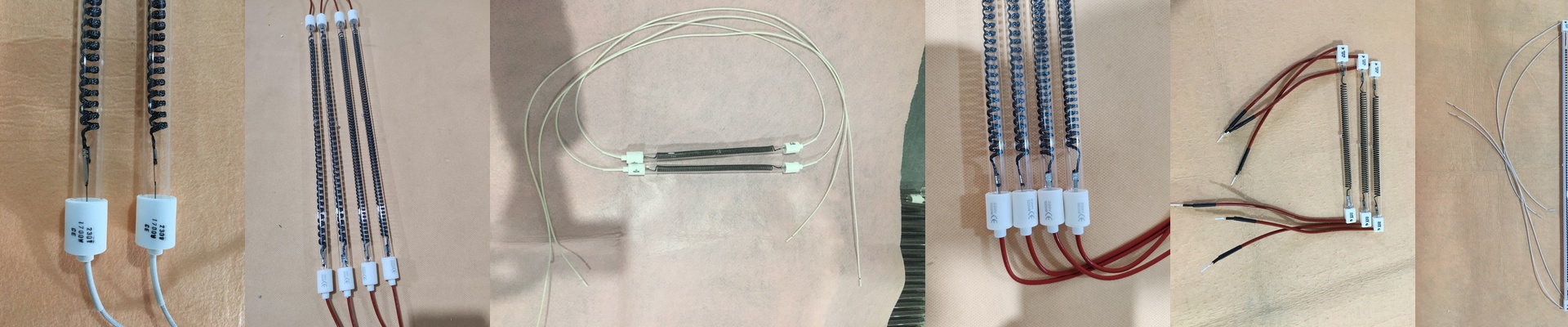
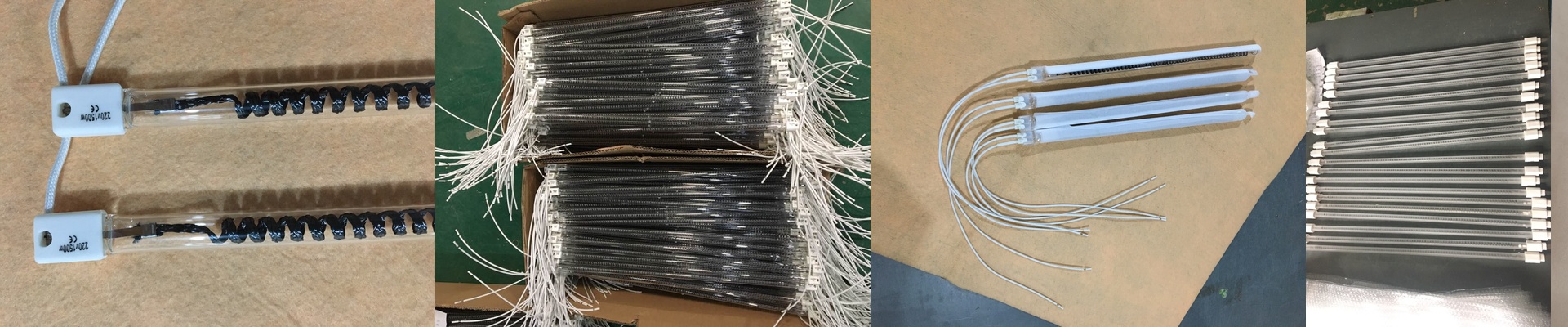
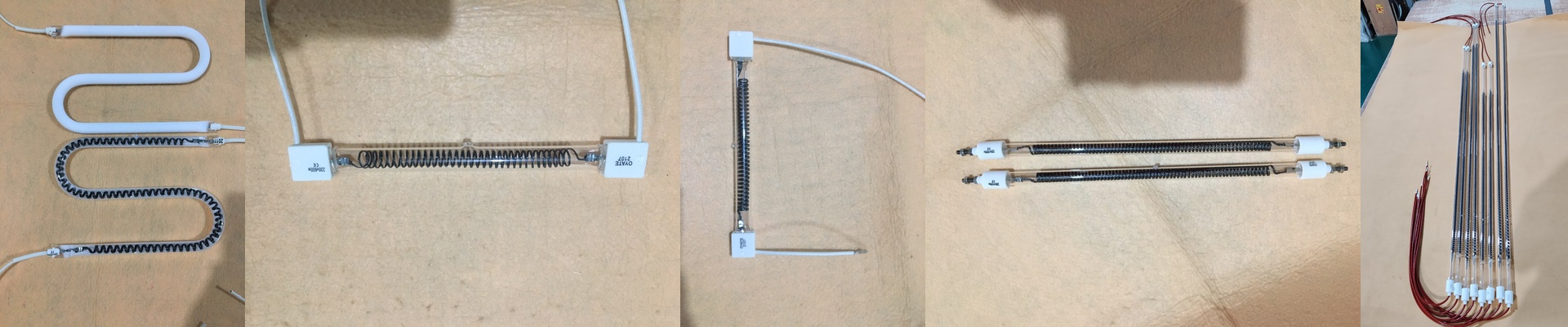
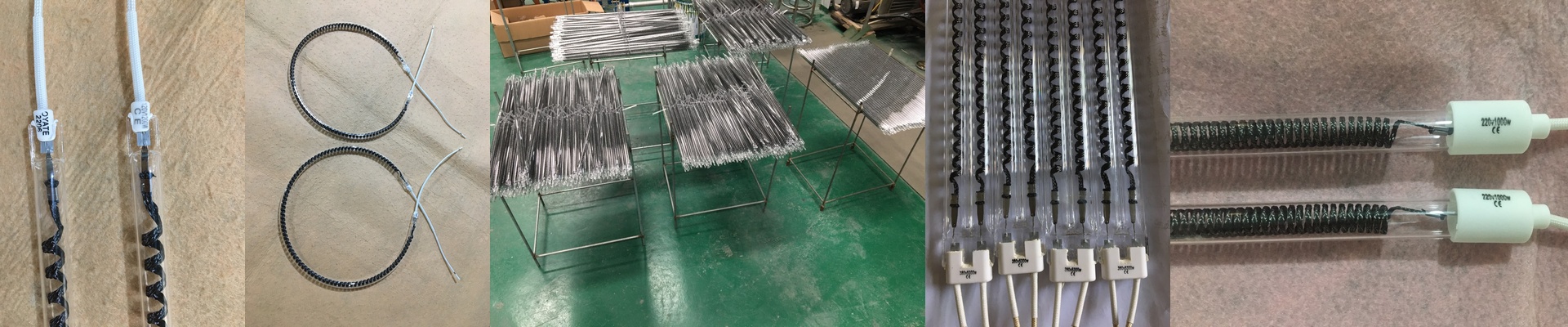
If you’ve ever dealt with traditional metal coils, you know they can take a while to get going. Carbon heating tubes are different. We basically wrap a carbon fiber filament in quartz glass to shoot out short-wave infrared radiation. The cool part? They don’t need to get nearly as hot as metal to push out a massive amount of heat energy. It’s almost instant. If your process can’t afford to sit around waiting for a slow ramp-up, these are your best bet.
Getting the Power Right
When you’re picking a tube, it all comes down to the balance between voltage and wattage. That’s what decides your heat density. If you cram a lot of wattage into a short tube, you get an incredibly intense heat zone. It’s perfect for those fast-cycle jobs where every second counts. But here’s a heads-up: keep your power supply steady. A sudden voltage spike can fry a carbon filament in a heartbeat. To keep things safe, we usually suggest PID controllers. They handle the duty cycle so you don’t accidentally melt your quartz envelope.
The Build and the Connections
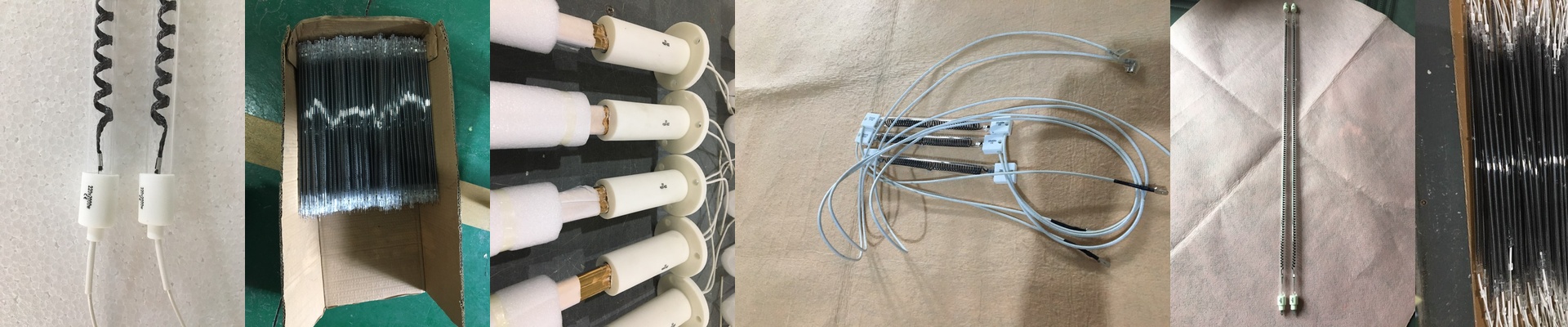
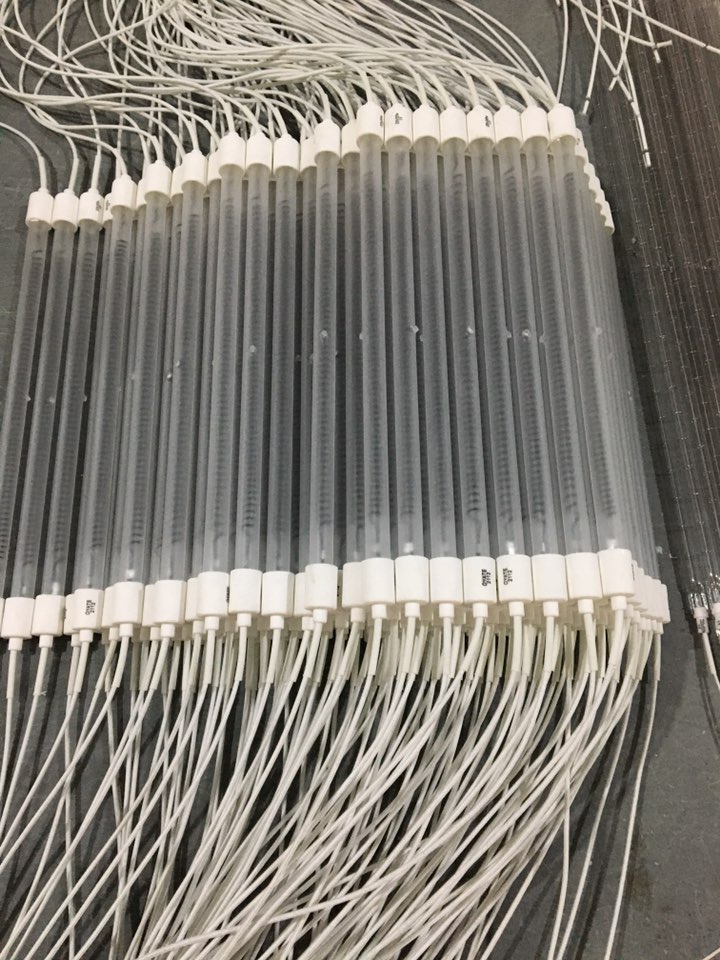
The quartz glass isn’t just there for looks. It keeps the filament from oxidizing while letting those IR waves pass straight through. Depending on what you’re heating, we can add different coatings. This helps the heat “match” your product better, so it absorbs the energy more efficiently. As for the wiring, we stick with standard R7s or Sk15 connectors. Why? Because nobody wants to rewire an entire heating bank just to swap one tube. These just pop in. They’re secure, and they have enough give to handle the natural expansion and contraction that happens when things get hot.
Real-World Use (And the Trade-offs)
You’ll see these all over the place for PET blowing and curing plastics. They hit the target temperature in seconds. It’s satisfyingly fast. But there’s a catch. Because the heat is so concentrated, you can’t ignore your cooling system. If the air around your connectors gets too toasted, the insulation will start to degrade. Just keep in mind that you’re trading a “gentle soak” for raw speed. If you need a slow, uniform heat, these aren’t for you. But if speed is the goal? This is exactly what you want.