Let’s Talk Power, Size, and Getting the Job Done
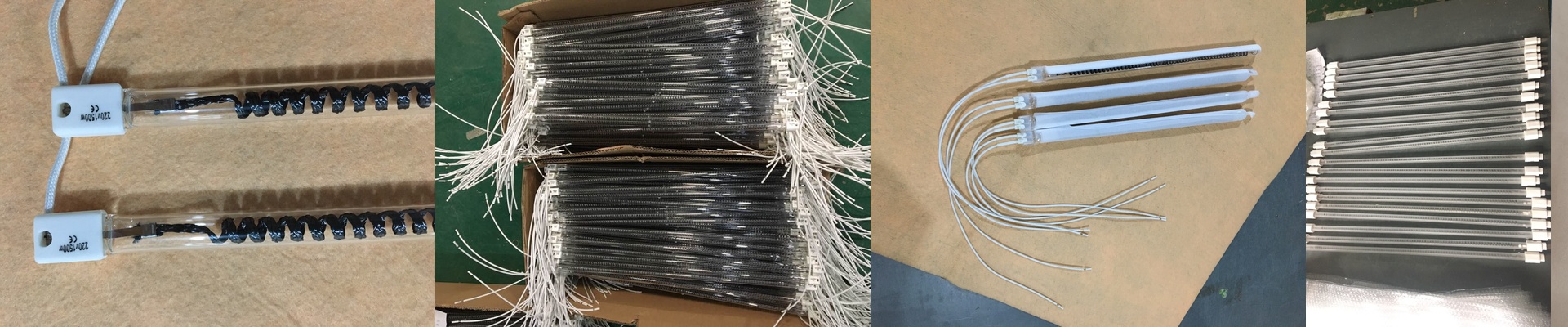
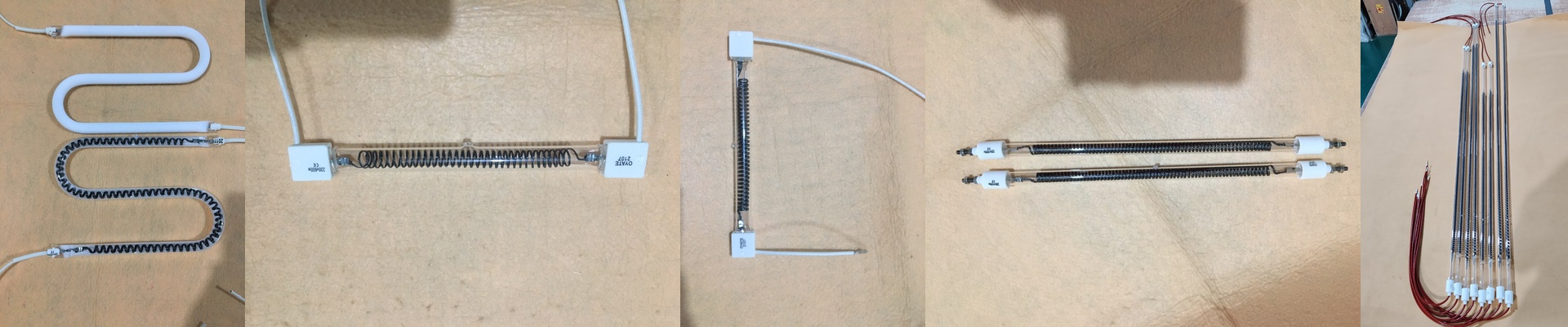
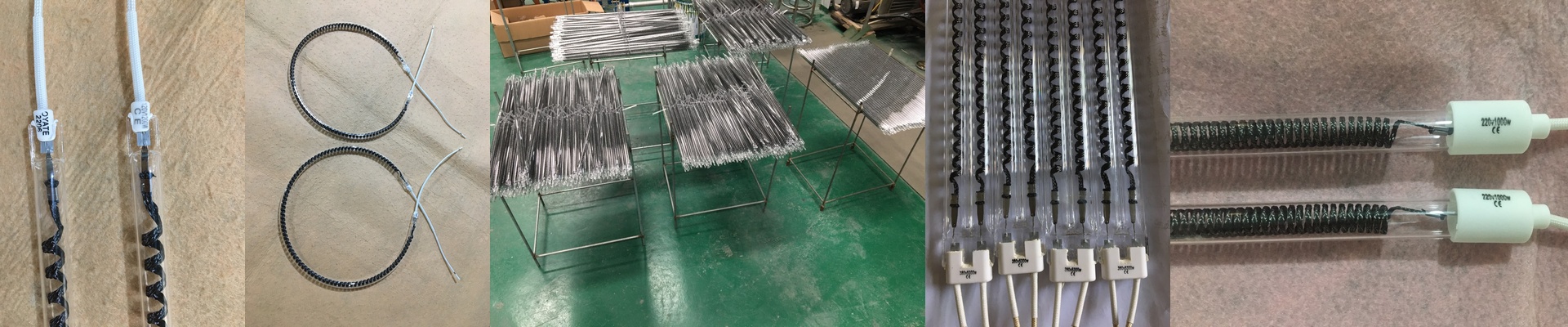
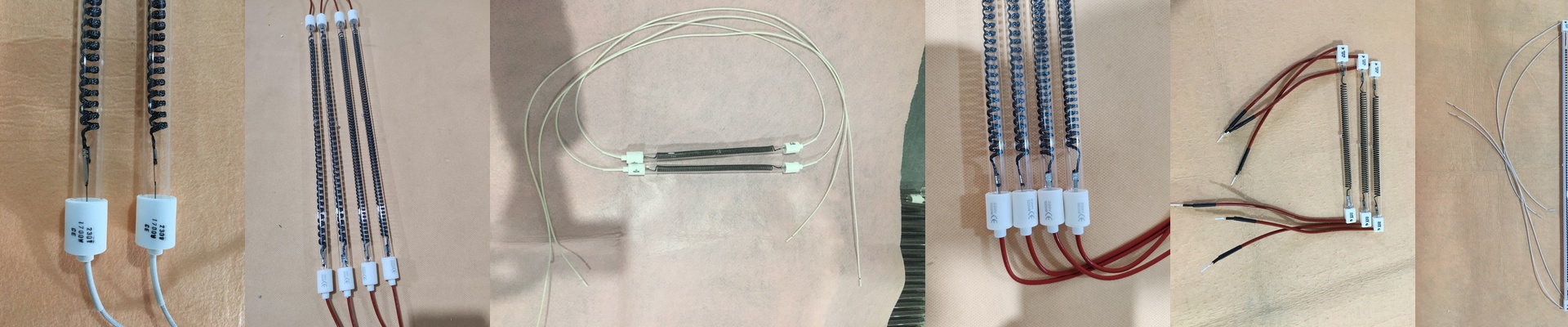
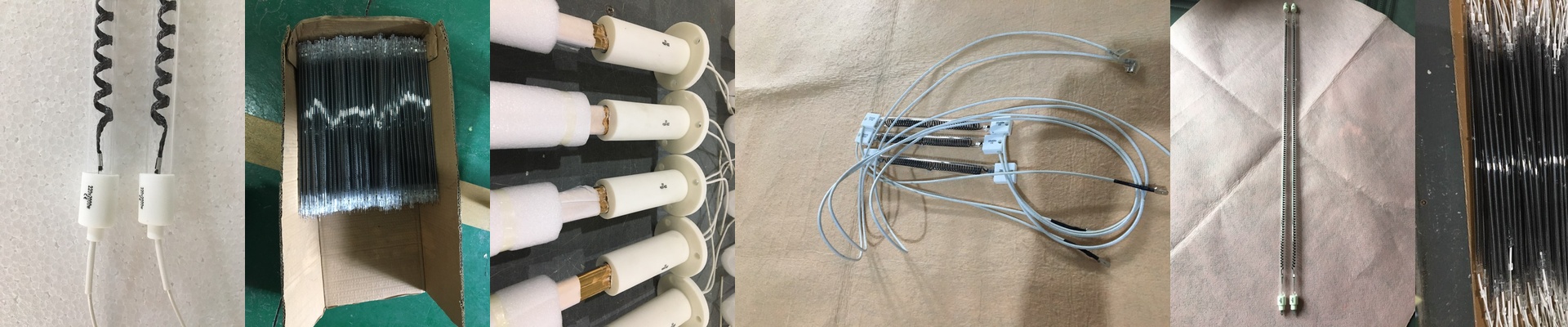
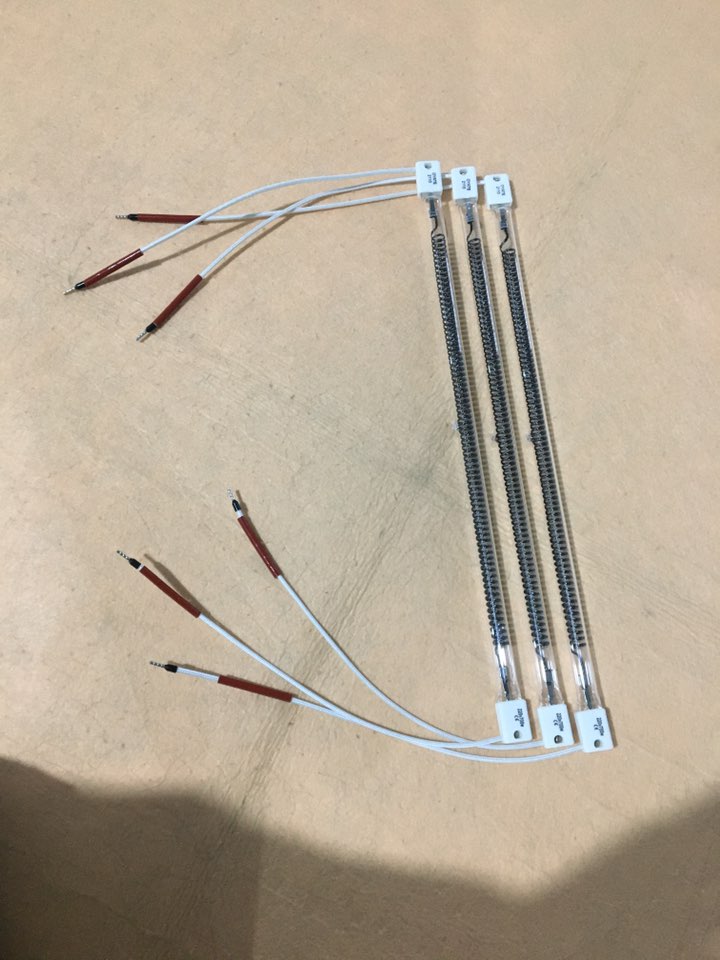
So, we built this 840mm carbon fiber heating element—110V, 1000W—for those industrial infrared ovens where space is at a premium and you need heat, like, yesterday. Here’s the beauty of it: that 1000W rating at 110V means you know exactly how much current it’s going to pull. No guesswork. It just makes wiring your controls and picking the right fuses way less of a headache. And the 840mm length? It was chosen on purpose. It fits neatly into standard oven zones without cramping the chamber or overloading the design. That length-to-power ratio gives you a nice, even heat spread. No hot spots. Just consistent coverage where you need it.
Why Carbon Fiber? Because Time Is Money
Carbon fiber is the real deal when you’re trying to shave time off your cycles. It heats up fast, and it cools down fast. That’s a huge advantage when you’re running back-to-back bake cycles or need to track a temperature curve with precision. The core is wrapped in a quartz envelope, which does two things. It shields the carbon from the atmosphere and any bumps along the way, but it also lets that infrared energy blast through efficiently. You can expect rock-solid performance over thousands of cycles. Just keep in mind, it’s a high-temperature part. If you slam it with power too quickly, that thermal shock can wear it out. So, give it a proper ramp-up in your controller. It’ll thank you.
For the Engineers Who Want Control
This element shines in ovens for curing coatings, drying inks, or heating plastic preforms. Basically, anywhere you need fast response and a temperature you can count on, over and over. Sticking with 110V keeps your control panel design simple. And the 840mm size is a natural fit for standard oven reflector setups. You get a lot of heat from a small footprint, which is great. But plan ahead for ventilation and shielding. If your process runs hot in the ambient temperature, double-check the terminal rating and give it enough breathing room so the insulation doesn’t take a hit.
A Quick Word on Installation
Mounting is straightforward. Just make sure you give it the right clearances, line up the reflector, and check that your thermocouple is sitting in the hot zone where it belongs. It’s a drop-in upgrade for a lot of ovens. But before you hit “order,” just do yourself a favor and double-check those chamber dimensions. A little planning up front saves a lot of hassle later.